
Most people are aware they need to drink more water, sleep seven to nine hours each night, and eat a balanced diet. Even if you do all the above, you may still feel you need to work on your physical, mental, and spiritual health.
If you are looking for effective techniques and advice that can transform your life, continue reading to learn about nine unique ways to improve your health and well-being.
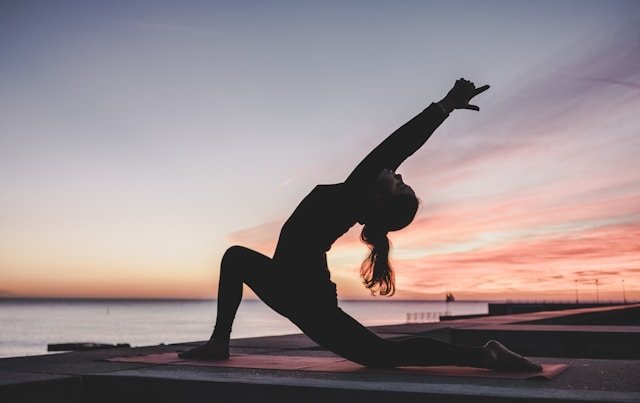
Kundalini Yoga
A Kundalini yoga session can change your life in every way, as it is designed to cleanse and purify the mind. It is almost like a complete system reboot of the mind and body, achieved through intense breathwork and meditation.
You will experience physical and cognitive changes during a session, which may include temperature spikes, seeing bright lights, or faster brain processing. The ancient technique may improve aspects of your health and well-being, including cognitive resilience, emotional regulation, and a sense of peace.
Grounding
Grounding is the practice of direct physical contact with the Earth’s surface, such as walking barefoot on grass, soil, or sand. It is widely believed that the contact allows people to benefit from the Earth’s slight negative charge, which is thought to neutralize free radicals in the body and reduce systemic inflammation.
It is a simple and free way to reconnect with nature while potentially improving your physical health. So, the next time you’re outdoors, slip off your shoes to feel closer to Earth and experience its healing powers.
Forest Bathing
Forest bathing, also known as shinrin-yoku, is a Japanese practice that requires calm and silence when surrounded by trees and plants. As they emit phytoncides (organic compounds) to shield them from mold and spruce, it is believed that breathing them could increase your count of these natural killer cells.
Spending as little as 20 minutes in a beautiful, wooded area without distractions could be enough to breathe in the cells, which can boost the immune system, fight infections, and reduce stress.
Temperature Stress
Controlled temperature stress from extreme heat or cold can reportedly improve a person’s physical and mental health.
Short-term exposure is thought to trigger hormesis, which is a process that causes mild stress in the body to activate its protective and repair mechanisms. It is believed to be an effective way to decrease inflammation, improve cardiovascular health, boost metabolism, and lift a person’s mood.
Temperature stress techniques include:
- Cold plunges
- Sauna bathing
- Hot baths
- Heat chambers
- Cold showers
- Ice baths
However, it is important to note that long-lasting cold or heat exposure can be dangerous, as it can have a negative impact on the body.
Humming
The next time you feel stressed, start humming. This simple act is reportedly effective at lowering a person’s heart rate, blood pressure, and stress levels. The gentle vibrations will stimulate the vagus nerve, helping to activate the parasympathetic nervous system, making you feel calm, relaxed, and happier.
It is also believed to boost the production of nitric oxide in the sinuses, helping to improve oxygenation, airflow, and immune function. For this reason, it is a must-try if you have a sinus infection, want to improve your heart health, or need to release tension after a stressful day.
Morning Sunlight
Most people are aware they should avoid blue light before sleep, but did you know you should bathe yourself in sunlight each morning? Natural light can suppress melatonin in the body, helping you feel more energetic and alert at the start of the day.
It also sets a timer for sleep 14 to 16 hours later, which can make it easier to drift off at bedtime. So, stop reaching for the coffee and go for a five-to-ten-minute walk within the first 30 minutes of waking up.
If you don’t want to go for a walk, stand outside in your garden to soak up the sun’s natural rays and get your morning (and night) off to the best possible start.
Frequency Experimentation
Humming isn’t the only type of vibration that can improve your health, as frequency experimentation is thought to stimulate cellular, physiological, and neurological healing. The tactic is commonly used in sound therapy and vibroacoustic therapy, as it can reportedly restore balance to a person’s tissues and cells that are damaged, experiencing stress, or are vibrating at an unusual rate.
You can experiment with different frequencies by playing brown noise, which has a lower frequency than white noise, offering a deep rumble like a roaring sea, a mild thunder, or a waterfall. As it can help quiet racing thoughts, it is ideal for people with ADHD or who need help with focus or high levels of stress.
Mauna
If you are unfamiliar with the ancient practice of mauna, it requires you to embrace a period of silence. As people are often surrounded by various noises in everyday life, from the sound of passing traffic to a loud TV, it is thought that intentional silence can help the hippocampus grow new cells.
Mauna can reportedly provide the mind and body with many benefits, such as:
- Stress relief
- Mental clarity
- Better heart health
- Improved emotional regulation
- Reduced inflammation
- Energy conservation
- Slower cellular aging
- Greater awareness
Eye Yoga
Another technique you would be wise to consider is polyvagal, also known as eye yoga. As the eyes are a direct extension of the brain, moving them in various patterns can help reboot the nervous system. It is believed they can help a person transition from a high alert state to a safety state, which is ideal for those experiencing anxiety.
To do so, you must sit in a forward-facing position and shift your eyes as far to the right as possible without moving your head. Once you have moved the eyes as far as they can go, hold them there until you swallow or release a yawn or sigh.
After you have done so, repeat the step to the left. It is a small, simple activity that could make you feel less anxious and more in control of your thoughts and emotions.