
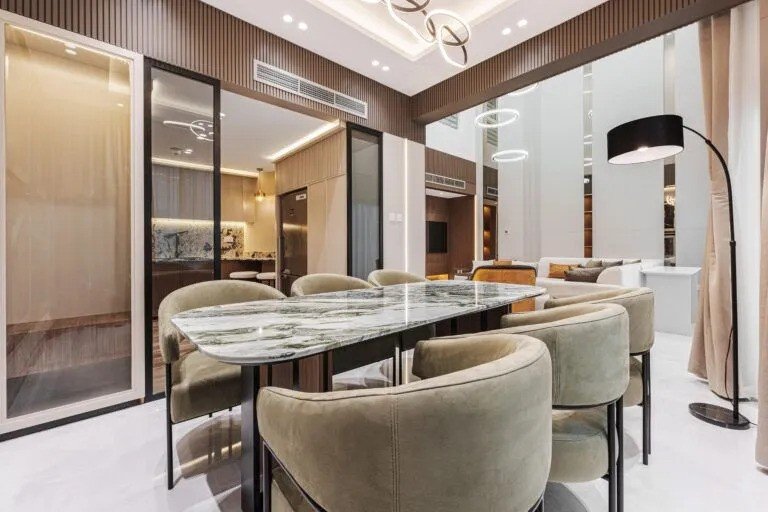
You begin to think about how you should renovate your home with definite ideas. Perhaps you desire a lighter design, a larger storage, or a contemporary finish that will be more comfortable with each use. Initially, it seems to be a straightforward affair due to preoccupation with design options and materials. Soon after, approvals get involved in the process, schedules start to change, and minor layout choices start to influence electrical, plumbing, and lighting layouts. This is where most of the renovation projects go astray, not because the vision is incorrect, but because planning was not done in the correct sequence.
In Dubai, home renovation works move through building rules, coordination steps, and supplier timelines at the same time. When the scope stays unclear, budget numbers change faster than expected, and delays start building quietly in the background. But conversely, when you get priorities defined early and tie the generation of design decisions with the plans of executing them, the whole process seems to be more stable and manageable.
This checklist of planning in 2026 provides you with a straightforward outline prior to the commencement of work. You will learn how scope can influence cost, how approvals can affect the timeline, and why early coordination can guard both the budget and the timeline. Whether you intend to do a complete renovation of your apartment or a turnkey upgrade of your villa, there are obvious steps that will lead you to the project with certainty rather than blind chance.
Dubai Home Renovation Checklist (2026 Quick Summary)
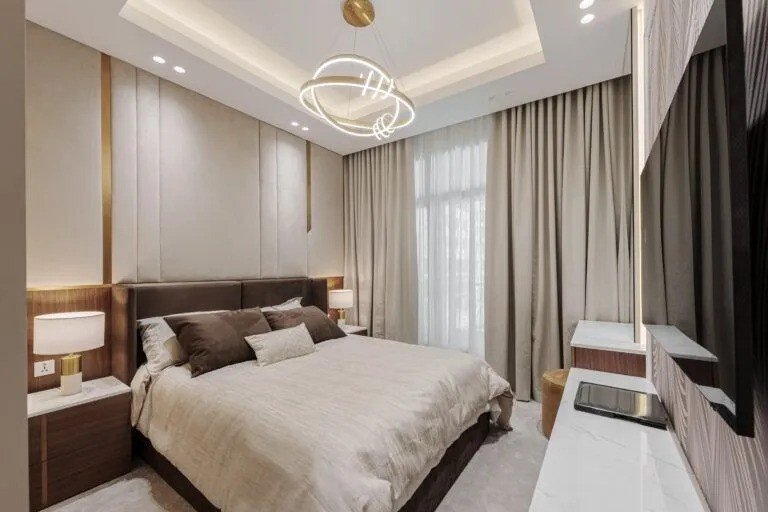
Before you move into design choices or contractor discussions, a clear checklist shows the full renovation picture. Many homeowners move toward finishes too early, while strong planning begins with structure. When the scope feels clear from the start, budget decisions stay realistic, and approval steps move more smoothly because the direction already feels defined.
Scope Clarity
Identify your renovation priorities at the beginning of the renovation process in order to have all decisions tied to an outcome. Decisions on what needs to be improved and what can be left to further upgrades should occur because not all the details need to be decided on. This clarity will guard your budget against any unexpected changes, and it will not make decision-making a scattered one.
Budget Control
Once priorities feel clear, budgeting becomes more practical and easier to manage. Set a realistic renovation budget and keep a ten to fifteen percent buffer for site discoveries or adjustments during execution. Stable layout decisions reduce unexpected costs, which helps you move forward without constant revisions.
Approval Planning
As budget direction becomes stable, approval planning starts playing a bigger role in the timeline. Confirm building rules and community renovation guidelines before locking materials, because work hours, access timing, and protection requirements often influence scheduling more than expected.
Layout Decisions
With approvals understood, layout clarity becomes the foundation for technical coordination. Lock your layout before ordering materials, especially custom joinery or specialty lighting, since these decisions affect electrical and plumbing planning behind the scenes.
Technical Planning
When layout decisions stay consistent, technical planning moves forward with fewer complications. Plan MEP work, lighting layouts, and joinery details before selecting finishes so installations feel aligned instead of reactive.
Handover Preparation
After execution planning feels complete, reserve time for snagging and final testing. These minor modifications at handover define how comfortable your renovated space will feel in the long term and its overall quality, so this last step is crucial as the initial planning step.
Step 1: Get the Scope Right (Before You Pick Finishes)
Renovation planning often starts with colours, textures, and decor ideas, yet real stability comes from scope clarity. When you describe the outcome in one clear sentence, every design choice begins to support a defined direction. You might want a brighter layout, smarter storage, or a more modern feel, and this simple statement helps you stay aligned while decisions continue to grow.
Outcome Vision
Start by writing one short line that explains what you want your space to feel like after renovation. This small practice makes discussions focused, as all decisions can be related to a common goal. In the absence of such clarity, projects turn into haphazard upgrades that cost more but do not add functionality.
Priority Split
Once the vision seems to be clear, start sorting out your ideas into must-haves and nice-to-haves. The layout enhancements, kitchen and bathroom functionality, lighting planning, and storage or joinery scope are normally considered as must-haves. Any feature walls, high-quality decor items, or statement lighting can be considered nice-to-haves and upgraded at a later time. This division keeps your budget safe and, at the same time, gives you space to be creative.
Scope Awareness
The more organized your list is, the better you will know what an entire renovation generally entails: the design process to the implementation itself. Many homeowners review a clear turnkey renovation scope to see how planning and coordination in the process provides a realistic picture of what to expect during the process.
Decision Alignment
The alignment provides a good foundation of budgeting and approvals that simplify the subsequent processes and make them more predictable.
Step 2: 2026 Budget Planning (What Really Makes It Change the Price)
Step 2: Budget Planning for 2026 (What Actually Changes the Price)
When scope decisions stay organized from the start, material choices begin to feel more intentional instead of overwhelming. Layout planning guides lighting positions, storage needs influence joinery design, and finishes start supporting function rather than leading the process. The alignment provides a good foundation of budgeting and approvals that simplify the subsequent processes and make them more predictable.
Cost Drivers
Budgets for the renovation in Dubai tend to vary due to various important factors. Kitchen or wardrobe joinery, MEP changes, like electrical or plumbing, flooring and countertop choices, bathroom upgrades, and advanced lighting control are factors that add to the end-result cost. Every decision can be related to another layer of work, and it is possible to say that a few layout modifications can silently raise the total expenditure.
Contingency Planning
As pricing becomes clearer, adding a contingency buffer protects your progress. A ten to fifteen percent reserve helps you handle site discoveries or minor design adjustments without stopping work midway. This approach keeps decision-making calm because you are already prepared for the unexpected.
Layout Stability
Budget control also depends on how stable your layout remains during planning. Frequent layout changes often trigger MEP rework, and these technical revisions usually affect both timeline and cost. When layout decisions stay consistent, coordination becomes smoother, and your budget stays closer to the original plan.
Material Approval
With technical planning in place, approving physical finish samples adds another layer of clarity. The tone of wood, the texture of the paint, and other elements of a countertop, among others, may vary in the actual lighting setting and be different in photos. Examining the samples beforehand will save on certain remedies later. This minor step will also build confidence in your decision and will bring your renovation process to the stage where it will not go through multiple revisions.
Step 3: Timeline + Approvals (How to Avoid Delays)
As budget and scope begin to feel stable, timeline planning becomes the next layer of control. Many renovation delays do not come from construction itself; they start when approvals or coordination steps are delayed. When you build your timeline around real requirements instead of guesswork, progress feels steady and easier to manage.
Move-In Planning
To begin with, calculate backward on your projected move-in date. This will provide you with the actual picture of the amount of time that design, approvals, and execution will take. In apartments, access control and elevator reservations can play a role in the daily process of advancement, whereas villa projects might take more time to waterproof or coordinate MEPs.
Rule Awareness
As the schedule takes shape, confirm building and community renovation guidelines in detail. The time spent working on the site, loading, and protection needs influence the way the contractors organize the work and make sure that there are no delays that can occur in the future, which is why clarity is essential at the start of the work. When each person can figure out what is required of them at the start, the communication can remain easier throughout the project.
Approval Responsibility
Timeline stability also depends on knowing who manages approvals and which documents are required. Some projects involve drawings, NOCs, or authority coordination, and delays usually appear when responsibilities remain unclear. Clear ownership keeps the process moving without repeated follow-ups.
Lead-Time Planning
With approvals aligned, ordering long lead-time items becomes an important decision. Custom joinery, specialty finishes, or unique lighting fixtures often take weeks to arrive, which means early ordering protects your schedule from sudden gaps during installation.
Change Control
Even with strong planning, adjustments may still happen during execution. Setting a simple weekly change control rule helps you group decisions together and review their impact on cost and timeline before work continues. This habit keeps progress organized and prevents small changes from quietly extending the schedule.
Once timeline planning relates to approvals and material coordination, then your renovation starts moving in a more coherent way. Selecting an appropriate contractor and creating a clear set of expectations is the last step at this stage to have a smoother execution phase.
Step 4: Contractor Checklist (Quick Quality Checks)
Once the scope, budget, and timeline are harmonized, the selection of the appropriate contractor becomes the factor that determines the ease of the entire process on the construction site. Most renovation problems do not occur due to design choices, but due to the fact that the expectations remain vague at the point of planning and implementation. A basic quality checklist will ensure that you are clear that all the details are related to the structure that you already made.
Scope Breakdown
Request a detailed BOQ-type scope rather than an overall price. The breakdowns are clear on the origin of costs, and they would allow you to compare offers without confusion. The transparent feeling of scope makes the discussions remain practical and facilitates easier justification of decisions.
Site Supervision
As execution begins, daily supervision plays a strong role in maintaining progress. Confirm that a named project manager handles coordination and remains responsible for communication throughout the project. Consistent supervision keeps technical work aligned with drawings and reduces the chances of last-minute corrections.
Snagging Standards
Quality control cannot cease after the completion of installation. Before handover, agree on the standards of snagging early, and reserve time before testing, adjustments, and cleaning. This phase assists you in checking lighting, joinery, and finishing, and the contractors are still at hand to correct you.
Warranty Support
Following delivery, long-term guarantees and post-sale assistance are offered in the form of written warranties. Clear documentation not only secures both parties but also ensures that you are assured that any post-handover problems will be addressed promptly.
When the expectations of the contractors remain orderly, they are executed in a more organized manner. At this point, all planning layers come together, which makes it easier to move into the final wrap-up with clarity and confidence.
Plan Your Next Move
When you plan a renovation in 2026, clarity grows when decisions follow a simple order. Scope definition builds the foundation, approvals shape the timeline, and technical planning keeps execution aligned with your vision. In numerous cases, delays and cost overspends are experienced due to early finalization of materials, whereas better results are achieved when planning steps are linked up preceding moving into the finishing stages.
On the way, begin with scope, approvals, and timeline planning, and introduce materials into the discussion when the structure seems clear. This order will keep you on track with the progress as well as the budget, and your renovation will proceed without as many surprises and with a more coordinated flow.
Spazio Interior Decoration in Dubai is a company that provides turnkey renovation and fit-out work around the UAE, including design, joinery and woodwork, MEP coordination, lighting planning, and smart home systems.