
The skin does much more than shape our appearance. It forms the body’s largest organ, creating a protective barrier against bacteria, viruses, harmful chemicals and ultraviolet radiation while helping regulate body temperature and prevent excessive water loss. Despite its remarkable resilience, the skin responds quickly to illness, environmental changes and ageing. A persistent rash, an unusual mole or a wound that refuses to heal may seem minor at first, yet these changes sometimes reveal an underlying medical condition that deserves prompt attention.
Dermatology has therefore become an essential branch of modern medicine. It combines scientific knowledge, advanced diagnostic techniques and evidence-based treatments to manage diseases affecting the skin, hair and nails. While many people associate dermatology with cosmetic concerns, the speciality also plays a vital role in diagnosing infections, autoimmune disorders, inflammatory diseases and skin cancers.
What Modern Dermatology Encompasses
Dermatology covers a remarkably broad spectrum of conditions. Acne vulgaris, eczema, psoriasis, rosacea, urticaria, fungal infections, vitiligo, alopecia, contact dermatitis and pigmentary disorders represent only a small part of everyday clinical practice. Dermatologists also diagnose precancerous lesions, melanoma and other forms of skin cancer, often identifying disease at an early stage when treatment proves most effective.
The speciality extends beyond visible symptoms. Many systemic illnesses produce characteristic skin changes before affecting other organs. Lupus erythematosus, diabetes mellitus, thyroid disorders and connective tissue diseases frequently present with dermatological signs that guide clinicians towards an accurate diagnosis. Careful examination, therefore, remains one of the most valuable diagnostic tools available.
Looking Beyond the Surface
No two skin conditions look exactly alike. Similar rashes may arise from allergic reactions, bacterial infections, autoimmune disease or genetic disorders. Even experienced clinicians avoid relying solely on appearance before establishing a diagnosis.
Dermatologists combine clinical examination with specialised investigations whenever necessary. Dermoscopy allows detailed assessment of pigmented lesions that cannot be appreciated with the naked eye. Skin biopsy provides microscopic evaluation of tissue architecture and cellular changes, helping distinguish inflammatory disorders from malignancy. Patch testing identifies substances responsible for allergic contact dermatitis, while microbiological cultures assist in diagnosing bacterial, fungal and viral infections.
This structured approach ensures that treatment addresses the underlying cause rather than simply reducing symptoms.
Advances in Dermatological Treatment
Dermatology has progressed rapidly over the past two decades. Many chronic skin diseases that once caused lifelong discomfort now respond well to targeted therapies developed through advances in immunology and molecular medicine.
Topical corticosteroids, calcineurin inhibitors and retinoids remain important first-line treatments for numerous inflammatory conditions. Moderate to severe psoriasis and atopic dermatitis may benefit from biologic therapies that selectively target inflammatory pathways, reducing disease activity while improving quality of life. Oral immunomodulators, antifungal agents and antiviral medications continue to play essential roles when appropriate.
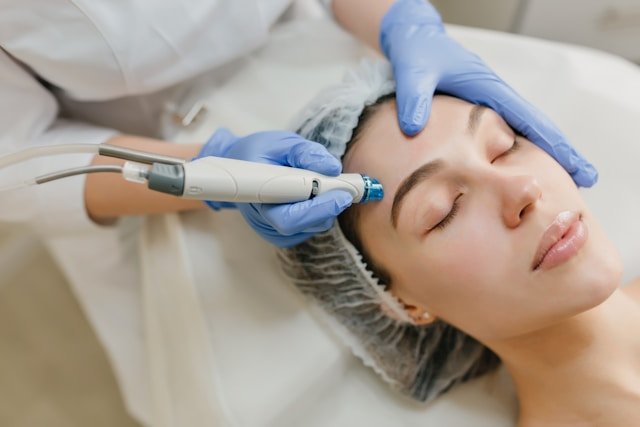
Procedural dermatology has expanded as well. Cryotherapy treats precancerous lesions, laser technology addresses vascular and pigmentary disorders, while surgical excision remains the gold standard for many skin cancers. Cosmetic procedures such as chemical peels, microneedling and laser resurfacing should always begin with careful medical assessment to ensure patient safety and realistic expectations.
Dermatology in Dubai: Comprehensive Skin Care for Every Age
Dubai has become a recognised destination for advanced dermatological care, supported by experienced specialists and modern medical facilities. Contemporary dermatology departments combine digital dermoscopy, dermatopathology, laser platforms, minor procedure suites and multidisciplinary collaboration to manage both common and complex skin disorders.
Patients with persistent eczema, difficult psoriasis, chronic acne, suspicious skin lesions or recurrent infections often benefit from a comprehensive assessment at the best hospital for dermatology, where dermatologists evaluate not only visible skin changes but also potential underlying medical conditions. Individualised treatment plans, patient education and regular follow-up help improve long-term disease control while reducing recurrence.
Many dermatological conditions require collaboration between several medical specialities. Autoimmune diseases may involve rheumatologists, diabetes-related skin complications often require endocrinologists, while complex skin cancers benefit from close coordination between dermatologists, surgeons, oncologists and pathologists. Patients frequently choose a hospital in Jebel Ali that provides integrated multidisciplinary care, allowing consultations, investigations and treatment to take place within one coordinated healthcare environment. This approach supports faster diagnosis, smoother treatment pathways and greater continuity of care.
The Future of Dermatology
Innovation continues to shape dermatological practice. Artificial intelligence increasingly assists clinicians in analysing dermoscopic images and identifying potentially malignant lesions, while digital imaging allows accurate monitoring of skin changes over time. Despite these technological advances, experienced clinical judgement remains indispensable. Every patient’s medical history, skin type, environmental exposure and personal concerns influence diagnosis and treatment decisions in ways that technology alone cannot fully interpret.
Conclusion
Healthy skin reflects more than appearance; it often mirrors overall health. Modern dermatology combines scientific research, advanced technology and clinical expertise to diagnose disease early, relieve chronic symptoms and improve quality of life. With timely assessment, personalised treatment and coordinated specialist care, patients can protect not only their skin but also their long-term wellbeing.