
introduction
The adhan which breaks the silence in a peaceful neighborhood brings people great comfort. The experience becomes clear to you when you witness the street of Al Nahda in Dubai at sunset. The residents of this area find their spiritual center in Al Nahda Mosque which stands between their apartment buildings and schools and supermarkets and busy streets.
The mosque serves as a place for worship but it offers more than that truth. The center functions as a community space and cultural heritage site which represents the Islamic traditions of the UAE. The complete guide about Al Nahda Mosque allows all residents and visitors and people who wish to learn about Islamic architecture and community life in Dubai to discover everything they need to know about the mosque.
Let’s step inside.
Al Nahda Mosque exists in the Al Nahda residential area which borders the Dubai and Sharjah boundary. The location provides access to residents who need to travel between both emirates.
Architectural Design: Simplicity Meets Elegance
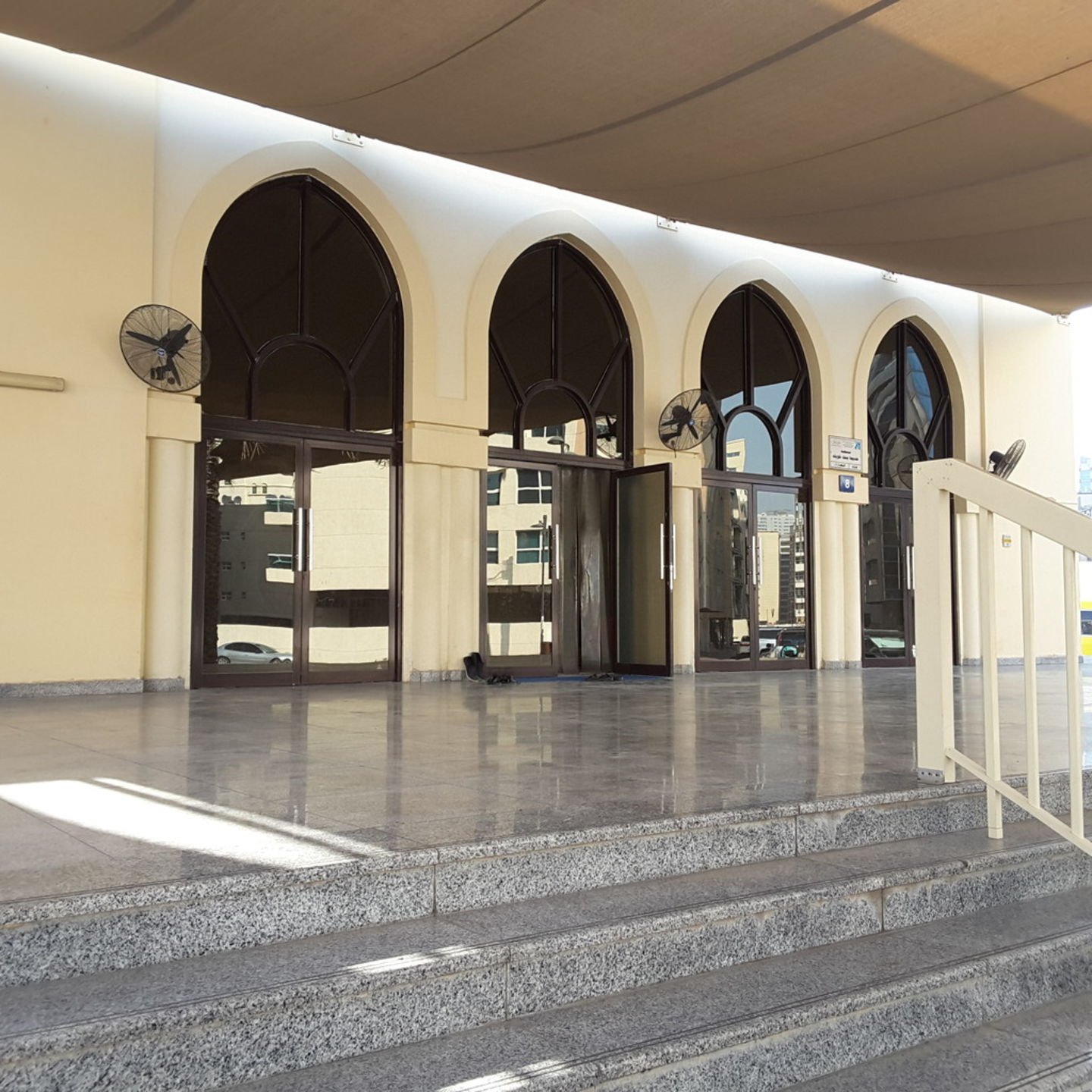
Al Nahda Mosque presents an attractive and refined building design as its first visual appearance. The building exists without the large domes that national mosques use for their architecture but it still shows basic Islamic architectural design elements.
Key Architectural Features
- The building has a central dome which serves as its main design element.
- The building contains a minaret which reaches a higher point than all adjacent buildings.
- The building provides windows and doors which display arches as their architectural style.
- The building has outer walls which display a light cream or beige shade.
- The building displays a symmetrical facade which creates an equal appearance.
The mosque design combines Islamic geometric patterns with traditional Islamic design principles to create a functional building. The prayer hall space provides an ideal area for large groups to practice their worship activities.
Inside you will typically find:
- The space has soft carpeted flooring
- The space contains a beautifully designed mihrab (prayer niche)
- The space provides clear speaker systems for listening purposes.
- The space includes dedicated prayer areas which separate male worshippers from female worshippers.
- The mosque area provides complete quietness which helps people to focus on their religious duties.
Al Nahda Mosque in the UAE follows the daily Islamic prayer schedule which includes five prayer times:
- Fajar (before sunrise)
- Dhuhr (midday)
- Asr (afternoon)
- Maghrib (sunset)
- Isha (night)
The yearly prayer schedule changes because sunset and sunrise times vary between different seasons.
Friday (Jumu’ah) Prayer
Friday becomes the most crowded day during the entire week. People arrive at the mosque before it opens because seats fill up quickly. The space will use extra areas to handle high visitor numbers during busy periods.
The Friday sermon (khutbah) typically addresses:
- Islamic ethics
- Social responsibility
- Family values
- Community welfare
UAE mosques deliver standard sermon content to educate people about Islamic teachings and national values through their religious services.
Ramadan at Al Nahda Mosque: A Different Atmosphere Entirely
The best way to experience mosque energy occurs when you visit during Ramadan.
The transformation is remarkable.
- Taraweeh prayers bring hundreds of worshippers nightly.
- The Qur’an is recited throughout the hall to create an emotional atmosphere.
- The community comes together at the mosque to gather before Iftar.
- The mosque building functions as a prayer area which also provides people with a way to share their religious experience.
The Ramadan celebrations that happen in the mosque establish Al Nahda as the Islamic community center for residents because most expatriates who live in the area do not have family connections to the country.
Community Role: More Than Just a Place of Worship
The community center serves as a beautiful space which enables Al Nahda Mosque to serve as a vital center for local residents.
Social Impact
Residential mosques in residential neighborhoods help to:
- Strengthen community ties
- Encourage charity and Zakat
- Promote moral and social responsibility
- Offer religious education
Children attend Quran classes. Adults join study circles. Neighbors connect before and after prayers.
People in a city known for its fast pace and skyscrapers can turn to Al Nahda Mosque as a place that helps them stay connected with their spiritual values.
Facilities and Amenities
Dubai mosques have modern facilities which are kept in good condition to provide all essential services.
At Al Nahda Mosque, you’ll typically find:
- Clean ablution (wudu) areas
- Separate prayer areas for men and women
- Air conditioning
- Shoe racks and organized entry areas
- Parking spaces nearby
Visitor Guidelines and Etiquette
Muslims need to know mosque etiquette before visiting Al Nahda Mosque which they should visit as non-Muslim visitors.
- Dress Code
- Clothing must show modesty.
- Women must cover their head with a scarf.
People must wear clothing that hides their knees and shoulders.
Al Nahda Mosque does not offer guided tours to visitors like Jumeirah Mosque instead its main service goes to the local Muslim population. Visitors should show respect by coming at times which are not busy with prayer activities.
Pros and Cons of Al Nahda Mosque
Pros
- The location exists in a central part of a crowded residential zone.
- The facility maintains a clean state throughout its existence.
- The social atmosphere creates a strong bond among community members.
- Visitors can reach the location without any difficulty.
- The mosque conducts Friday prayer sessions in an organized manner.
Cons
- The space becomes full of people on Friday prayer days.
- The location provides limited parking spaces throughout times when user traffic reaches its highest level.
- The building does not have a main purpose to attract tourists.
- The building functions perfectly according to its goal of serving neighborhood residents.
Why Mosques Like Al Nahda Matter in Modern Cities
Dubai is known globally for luxury malls, record-breaking skyscrapers, and futuristic innovation. Islamic values remain the foundation of Dubai even with its advanced architectural development.
Neighborhood mosques like Al Nahda Mosque ensure that:
- People can reach spiritual activities throughout their lives.
- The local community retains its connection to others in the area.
- Islamic customs stay preserved through all following generations.
The UAE government indicates that the country has thousands of mosques which serve millions of residents every single day according to their official reports. Buildings function as social foundations which maintain stability for communities.
Real-Life Perspective: A Resident’s Experience
A resident who moved to Al Nahda from another emirate told me his story. He explained that his first stop after unpacking came at the mosque, not the supermarket.
“Once I prayed there,” he said, “I felt like I belonged.”
A neighborhood mosque creates a strong community bond which connects you.
SEO Keywords Naturally Covered
This guide incorporates relevant search terms such as:
- Al Nahda Mosque Dubai
- Mosque in Al Nahda
- Al Nahda prayer timings
- Al Nahda Mosque location
- Friday prayer in Al Nahda
The content uses these keywords to create natural reader connections with search engines while maintaining smooth reading paths for human users.
Practical Takeaways for Visitors and Residents
Visitors to Al Nahda Mosque and people living nearby should remember these important details.
- You should arrive at the mosque before the start of Friday prayers.
- All visitors must comply with the established dress code.
- People must observe the prayer times to show their respect.
- Visitors should experience Ramadan special activities at the mosque as their most distinctive moment.
Available community programs should be used by people who want to participate. The mosque provides both spiritual growth opportunities and cultural understanding for visitors.
Final Thoughts: A Quiet Landmark with a Powerful Presence
Al Nahda Mosque may not appear in glossy travel brochures. The building does not create architectural breakthroughs. The building does not create architectural breakthroughs. The building does not create architectural breakthroughs.
What the building provides holds higher value than its material offerings.
- Daily life creates a routine pattern which provides opportunities to reflect and build connections with others.
- Al Nahda Mosque serves as a stop during the citywide construction activities which people use to pray and think about themselves.
- At times, those moments become precisely what we require.
conclusion
Al Nahda Mosque provides a unique experience of tranquility which stands out in Dubai because the city operates according to its work hours and traffic patterns and its high-rise buildings. The mosque located in Al Nahda residential area does not have the same size as Sheikh Zayed Grand Mosque or Jumeirah Mosque which attracts tourists but it maintains its significant value.
Al Nahda Mosque represents everyday faith. The mosque serves three different groups of people who include the father who takes his break from work, the student who comes for Quran classes, and the elderly resident who practices Fajr prayers at dawn with his family who shares Ramadan nights with him. The space exists for people to establish connections according to their personal belief systems which direct their lives.
The mosque keeps up its essential spiritual function which serves as a community center for people living in an area that experiences urban development. The Friday services bring large crowds to the church which creates challenges for parking spaces. Yet all these small hassles reveal a wonderful truth which shows how people value their presence at church.
Your daily routine should include this location if you reside in the area. Visitors should approach the site with both respect and curiosity. Al Nahda Mosque functions as a reminder which shows how faith exists as the hidden foundation of all city life.
Cities need landmarks which have a strong visual impact because people need to recognize their existence. Daily activities get modified by elements which exist beyond our sight. These elements operate through continual prayer sessions.