
Home Blog Page 35

Introduction: Living in a Sauna? Welcome to Summer in the UAE

0
Introduction: Living in a Sauna? Welcome to Summer in the UAE

How UAE Residents Are Coping with Record Heat: Real Stories, Smart Solutions, and Cultural Resilience

Picture walking out of your flat and feeling as though you have stepped directly into a hairdryer. The sun pours down, the air stutters, and the earth heats up like a frying pan. For people living in the United Arab Emirates (UAE), it is not a sensationalist metaphor—it’s reality in the summer.

UAE temperatures often reach above 50°C (122°F) in the peak summer months, and courtesy of climate change, the mercury only continues to rise higher. But for all that heat, individuals here aren’t merely getting by—they’re innovating, adapting, and thriving.

In this post, we’ll explore how UAE residents—locals and expats alike—are navigating this extreme heatwave era. From smart homes and shaded cities to health-conscious habits and cultural wisdom, here’s a deep dive into how the UAE is keeping its cool.


Why Is It So Hot in the UAE? A Look at the Rising Temperatures

A Desert Climate with a Modern Twist

The UAE naturally has a hot desertic, characterized by:

  • Long, very hot summers (May to September)
  • Mild, brief winters
  • Very little rainfall

But in recent years, something’s different. The UAE’s National Center of Meteorology (NCM) reported that 2023 had the highest two-decade high average summer temperature. Why? Climate change and explosive urbanization.

Record Heat in the Numbers

  • Humidity levels can drive the “feels-like” temperature over 60°C.
  • Global warming has raised regional average temperatures by 1.5°C to 2°C during the last 50 years.

How Residents Are Adapting: From Air-Conditioned Commutes to Cultural Habits

Heat adaptation in the UAE is a way of life. Let us see how the population is keeping cool—physically, mentally, and socially.

1. Embracing Smart Technology: Cooling with Innovation

Smart Homes and Offices

  • Automatically regulate indoor temperature
  • Track energy consumption to maximize cooling
  • Employ reflective materials for minimal heat absorption

Example:

Sarah, who lives in Downtown Dubai as a British expatriate, relies on a smart thermostat linked to her mobile phone. “When I arrive at work, I switch on the AC from my phone so that the apartment is cool when I open the door. It saves power and sense.”

AC Everywhere—Even Bus Stops

Public bus stops in most cities are totally air-conditioned, providing relief to commuters while they wait. It’s not an amenity—it’s survival.

Green Cooling Tech

District cooling is becoming more popular—centralized plants cool several buildings using chilled water.

Solar-driven fans and passive-cooling design are being piloted at sustainable developments such as Masdar City.

2. Clothing and Culture: Smart Dressing for Hot Weather

Sensible Traditional Wear

The traditional kandura (for men) and abaya (for women) of the gulf art aren’t purely cultural wear they’re sensible:


  • Breathable, light-colored material
  • Offer sun protection
  • Enable air flow while maintaining skin coverage


Numerous expats have also turned to:

  • Loose-fitting cotton or linen apparel
  • Wide-brimmed hats and UV sunglasses
  • Cooling scarves and UV arm sleeves


3. Thinking Smart About Daily Habits:Overcome the Sun Diplomatic Adjusting Work Schedules

  • Outdoor work, such as manufacturing, is prohibited during the high noon break time (12:30 PM to 3:00 PM) between June 15 and September 15.
  • Early starts or night work are often encouraged by many companies to escape the hottest part of the day.
  • Steering Clear of the Outdoors Midday
  • School schedules change during summer months.
  • Sports and leisure move indoors or are rescheduled to early morning or late evening.

Example:

Ali, a personal trainer in Sharjah, says, “We’ve moved all bootcamp sessions to 6 a.m. Even the diehard inhabitants can’t handle noon heat anymore.”

4. Hydration and Diet:Energizing for the Heat

Most residents bring electrolyte packets along if they’re outdoors in the sun.


  • Most loved rehydrating beverages:
  • Fresh coconut water
  • Watermelon juice
  • Electrolyte water
  • Buttermilk or laban, a classic cooling beverage


Cooling Foods to Overcome the Heat

  • Cucumbers, melons, mint, and yogurt are basic kitchen items in most households.
  • Light, vegetable-based meals are more desirable than heavy, spicy foods.

5. Urban Planning for Shade and Sustainability

Green Urban Projects

  • Cities such as Dubai are adding more parks, shaded walkways, and greenery.
  • More stroller walkways and parks are part of the Dubai 2040 town Master Plan.
  • White and Reflective Surfaces
  • Municipalities are trying out reflective white coatings on rooftops and pavements to mitigate the urban heat island effect in order to counter it.


6. The Role of Community and Culture

Shared Spaces for Relief

Malls are reality summer community center people stroll,converse , and shop in cool comfort.

Mosques and cultural centers offer shaded resting places and free cold water during hot hours.


Community Initiatives

Voluntary organizations  give hydration ads to delivery workers and laborers.

Government campaigns increase awareness about heat stroke prevention.

What Are the Health Risks—and How Are People Managing Them?

Common Heat-Related Illnesses in the UAE

  • Heat exhaustion
  • Heatstroke
  • Dehydration
  • Sunburn
  • Heat rashes

Preventive Measures Residents Take

  • Wearing SPF 50+ sunscreen
  • Using UV-protective umbrellas
  • Taking frequent cold showers
  • Maintaining vehicles ventilated or shaded

The Flip Side: Challenges and Trade-offs

Advantages of Adapting to Extreme Heat

  • Promotes innovation in technology and architecture
  • Drives green urban planning
  • Generates awareness among communities towards climate adaptation

Drawbacks and Concerns

  • Increased dependence on air conditioning raises energy use
  • Poorer workers have higher health risks
  • Summer tourism goes down outdoor
  • Psychological exhaustion—termed “heat fatigue”—affects mood and performance


The Road Ahead: UAE’s Long-Term Plans to Tackle the Heat

  • The UAE is not playing with fire. In fact, the government is investing in long-term fixes such as:
  • Afforestation and tree-planting initiatives
  • Climate-resilient infrastructure
  • Hosting international climate conferences (such as COP28 in Dubai)
  • Encouraging public transport to mitigate urban congestion and heat traps

Scorching Futures: How Record Heat Is Changing the Way UAE Residents Live, Work, and Think

1. Changing Habits: “Indoor” the New Way of Life

From Mall Marathons to Beach Weekends

  • Summers once were about swift excursions to the beach in the morning or dusk desert barbecue. But today?
  • Families are spending weekends indoors, structuring social lives around mall times, cinema openings, and indoor playgrounds.
  • Cafes and restaurants now favor indoor seating, even increasing space in the expectation of reduced outdoor business.
  • Schools are responding with increased indoor recess, virtual summer camps, and inventive strategies to keep children active indoors.

The Mental Health Impact of “Heat Lockdown”

  • Prolonged periods indoors can induce what psychologists refer to as “heat fatigue” or “climate stress.”
  • Symptoms:
  • Mood swings and irritability
  • Social withdrawal
  • Sense of isolation, particularly among expats

Example

Rohan, an Indian software engineer, says, “It’s cabin fever but with sunlight blazing through your window. You’re trapped, even when you’re actually free.”

2. The Economic Cost of Staying Cool

Electricity Bills Are Soaring

The average summer DEWA bill (Dubai Electricity and Water Authority) for a 2-bedroom apartment can triple from May to August. That’s behind changes in the way people cool their apartments:


  • Zoning AC units (cooler only occupied areas)
  • Blackout curtains and window films
  • Solar panels for long-term benefits

Real Estate Trends Shift Towards Climate-Smart Homes

Homebuyers and renters are increasingly seeking:


  • Insulated structures
  • Energy-efficient cooling systems
  • North-facing windows (to reduce sun exposure)
  • Access to green areas and shaded walkways
  • Projects such as Masdar City and Sustainable City are experiencing increased interest because of their environment-centric infrastructure.

3. Work Culture Is Changing Under Climate Pressure

Remote Work Isn’t Convenient It’s Climate-Smart

Across summer hotspots, most businesses now:


  • Offer flexible timings or WFH arrangements
  • Encourage shorter office days
  • Hold virtual meetings instead of in-office ones, even in the same city
  • Construction, delivery, and outdoor workers are shielded by government-legislated midday break law, but enforcement is crucial—and still evolving.


Industries Forced to Think Again

  • Tourism: Outdoor daytrip  are canceled or moved to dawn/dusk.
  • Retail: Pedestrian traffic goes all indoors.
  • Events & Festivals: Large events such as Expo 2020 employed mist sprays, covered domes, and nighttimes to balance heat. 


4. Parents Are Raising “Heat Generation” Kids Differently

Children Grow Up Indoors More Than Ever

Today’s kids in the UAE:


  • Spend much less time outside than children 10–20 years ago.
  • Take indoor sports, robotics, and art classes as summer substitutes.
  • See parks and beaches as winter-only options.

Parent concerns:


  • Less physical activity and vitamin D
  • Social development within indoor-only playgroups
  • More screen time

Solution trends:


  • Indoor “edutainment” venues such as Kidzania, OliOli, and Adventure HQ
  • Trampolines, home gyms, and VR games to encourage activity

5. Redesigning Long-Term Plans: Climate Becomes a Life Consideration

Residency, Travel, and Retirement Choices

Climate is now affecting major decisions:

  • Some expats are revisiting long-term residency, particularly expats with young children or aging parents.
  • Residents are availing “heatcations” (travelling back home or to cooler nations) between June and September.
  • Solitude options now more often include cooler landscapes or UAE’s northern emirates such as Ras Al Khaimah and Fujairah that are slightly more modest .

Climate-Driven Migration Within the UAE

  • Individuals are shifting from urban heat islands (concentrated city areas) to suburban tree-lined communities such as Arabian Ranches, Jumeirah Golf Estates, or Al Barari.
  • Northern Emirates provide more affordable living and slightly cooler summer temperatures through altitude or nearness to the sea.

6. How the Government Is Responding—Beyond Cooling Centers

Sustainability Campaigns Are Not Just Buzzwords

  • Net-zero emissions targets
  • Mass greening initiatives, such as planting trees and recycling water

Urban Heat Mitigation Plans

  • Dubai’s Master Urban Plan 2040 emphasizes walkability, tree canopy, and public transport.
  • Cool pavement is being trialed—substances that retain less heat and reflect sunlight.

What It All Means: Climate Adaptation Becomes Cultural

Adapting to unprecedented heat isn’t individual survival anymore—it’s about transformation in groups. It’s redefining:


  • How we design cities
  • How we raise children
  • How we craft work
  • How we relate to one another
  • And whereas it’s simple to let ourselves be overwhelmed by day-to-day unease, there’s a galvanizing undertone too: resilience and reinvention.

The UAE, having constructed metropolises out of sand and ocean in a matter of a couple of decades, is now shifting to take the lead in Middle East  climate adaptation.

Takeaway: From Surviving to Thriving in a Hotter Future

Here’s how UAE citizens and planners can keep leading the way:

  • Cool more sustainably with smart technology and district cooling
  • Increase tree cover and shaded public spaces
  • Teach the next generation how to adjust weather.
  •  Foster climate-resilient innovation and local entrepreneurs
  • Build resilient communities to overcome loneliness during long summers
  •  Stay indoors during peak hours
  • Hydrate—more than you think you need
  •  Dress in light, loose-fitting clothing
  • Practice sunscreen and UV protection
  •  Get breaks in air-conditioning
  •  Be respectful of local customs—they’re often practical as well
  •  Be aware of signs of heatstroke (dizziness, nausea, fast heart rate)

With the proper attitude and precautions, even record heat can be handled wisely.

Conclusion: Heat Is the Challenge—Adaptation Is the Legacy

The increasing heat in the UAE is no longer seasonal discomfort—it’s a determining force that’s transforming the way people live, work, raise their families, and construct the future. But if there’s one thing that the story of the UAE has consistently demonstrated, it’s that resilience is part of its DNA.

From hi-tech air conditioning and eco-friendly buildings to changing work cultures and environmentally aware lifestyles, locals aren’t just surviving the record-breaking temperatures—they’re coping with resourcefulness, determination, and foresight.

Yes, the struggles are legitimate. Climate stress, skyrocketing energy prices, and lifestyle changes are pressuring everyone to rethink how life operates in a warmer world. But there is also a silent revolution underway: one in which sustainability, innovation, and the well-being of a community are becoming the hallmarks of the way the UAE develops.

In a location where summer used to be about survival, today it’s becoming an experimental ground for what a successful future in a hotter world looks like.


So, be you an old timer, a fresh expat, or a viewer from the outside, take note of this: The temperature may be increasing, but so is the UAE’s resolve to learn, change, and set an example.


 

Traveling to Abu Dhabi: Which car to choose for exploring

1
luxury rental car dubai

When we are going on a trip, the first thing everyone thinks about is “Where will I live?”, “How will I get to the destination?”, and “How should I explore the sights?”. In this article, you will find out why it is worth renting a car to explore the surroundings of Abu Dhabi, and you will also receive a list of cars that, in our opinion, are very well suited for driving both in the city and outside the city.


So, let’s explore why it’s a smart choice to rent a car Abu Dhabi and which cars you can hire.

Advantages of car rental

It’s worth starting by saying that traveling by car is simply convenient. You might even own one or two yourself. And once you’ve experienced a business trip by car, you’ll never want to switch back to public transport. So why give up that same convenience during your vacation? After all, you came to Abu Dhabi to relax and explore new places and attractions.

When you rent a car, you don’t have to worry about its technical inspection or serviceability, or whether a car will withstand a week-long trip throughout Abu Dhabi and the surrounding deserts, because if something happens to the car through no fault of yours, they will replace the car for you. The only thing you need to do is choose a highly reviewed car rental. While in Abu Dhabi, you should explore Renty, a car rental platform, which will take care of giving you the best car rental experience you’ve ever had.

Another advantage related to convenience is saving time. You are not dependent on public transport schedules or tourist excursion groups. If you want to grab a bite or take a drive through the desert, there’s no need to search for transportation options. Once you are in Abu Dhabi with a rental car, you only need to set up the navigation and drive to your destination. Well, is it convincing enough? Now let’s move on to the list of cars for rent.

The best cars for hire

Mercedes G63

The design of the G-Class is timeless, like… a Coca-Cola bottle. So if you’re a fan of these “retro” designs, it’s worth renting this car. But of course, that’s not all.

Understanding the true essence of this car comes only after you drive it through the first set of turns in the city. “Can’t be! Is this really a G-Class? At this moment, you really want to pinch yourself, because you simply don’t believe that a frame SUV can be so obedient. And this is the main feature, despite its dimensions, this car is not clumsy, but quite the opposite. In addition, this is an SUV, which leads to the fact that it is a tall car. Therefore, this is an ideal car for driving around the city due to its agility and off-road due to the fact that it is an SUV!

Toyota Land Cruiser

Whether you’re cruising down the Corniche or venturing into the golden dunes, Abu Dhabi offers the perfect blend of luxury and adventure. And so do its rental options.

If you’re craving power and off-road capability, the Toyota Land Cruiser is another top choice. With its rugged design, spacious interior, and superior handling on desert terrain, it’s ideal for those travelers who plan to explore both city streets and remote landscapes.

BMW 5 Series

Do you prefer something sleek and sophisticated? The BMW 5 Series delivers premium comfort, cutting-edge technology, and a smooth, responsive drive. It’s perfect for business trips, hotel transfers, or simply enjoying the city’s vibrant nightlife in style.

From desert safaris to downtown elegance, these vehicles will cover it all. While exploring the list of cars available for rent, you can find numerous options. Much would depend on your preferences and budget. Though it’s worth saying that Renty has plenty of options that will suit any traveler. Whenever you start exploring the options, you can apply filters to choose the car you need.

Conclusion

Ultimately, renting a car in Abu Dhabi is a good idea for a successful vacation. No matter what car model you choose, whether it’s a Mercedes G63 or any other vehicle, you’ll get the best car rental experience. Car rentals provide numerous suitable options for every taste and budget.

7 Awesome Balloon Decoration Ideas For Birthday Parties

0
Balloon Decoration Ideas For Birthday Parties

Planning a birthday party? Balloons are one of the easiest and most affordable ways to create a fun and festive atmosphere. They come in countless colors, shapes, and sizes, making them perfect for any theme or age group. Whether you’re organizing a party for kids, teens, or adults, these balloon decoration ideas will help you design a memorable event.

Why Choose Balloon Decorations for Birthday Parties?

Balloons have always been a staple in party decorations because of their versatility, affordability, and instant ability to brighten up any venue. They fit well with different themes, color palettes, and age groups, making them one of the most popular choices for event planners and families alike. When you combine balloons with creativity, the possibilities become endless.

Balloons can be used for:

  • Creating focal points
  • Highlighting event entrances
  • Decorating ceilings and tables
  • Adding interactive elements
  • Providing memorable photo opportunities

Moreover, modern balloon decorations now include biodegradable options, making them eco-friendlier and more sustainable. Whether you’re planning an indoor gathering or an outdoor celebration, balloons can be adjusted to fit any space effortlessly.

The Emotional Impact of Balloons in Celebrations

Beyond their visual appeal, balloons add emotional value to birthday celebrations. The sight of colorful balloons can instantly evoke feelings of joy, nostalgia, and excitement. Children often associate balloons with happiness, while adults may feel a pleasant sense of celebration and festivity. The floating motion of helium balloons adds a sense of lightness and playfulness to any venue.

In many cultures, balloons symbolize positivity, hope, and new beginnings. Incorporating balloons into your party decor is not just a visual decision but also a way to create a warm and inviting atmosphere for your guests. A well-decorated venue with colorful balloons can instantly uplift moods and create a festive vibe that resonates with everyone in attendance.

Balloons also help break the ice. Guests feel more relaxed and cheerful when walking into a colorfully decorated space. Children’s laughter echoes louder, and even adults cannot resist the urge to take photos or interact with uniquely designed balloon arrangements.

1. Balloon Archway Entrance

A balloon arch at the entrance immediately sets a cheerful mood. Use colorful latex balloons or go for a more elegant touch with pastel or metallic balloons. You can create a simple arch using a balloon strip or hire a professional decorator for a grand design. This instantly makes your guests feel welcomed and excited.

For themed parties, you can tailor the balloon arch to match your concept. For example, a princess-themed party could feature pastel pink, lavender, and white balloons, while a space-themed party might include dark blues, silvers, and glowing LED-filled balloons. For milestone birthdays, adding giant number balloons makes the entrance even more special.

Adding a customized banner or your child’s name can make the entrance even more special. Balloon arches also work well as backdrops for group photos throughout the event, enhancing both the décor and the memories captured. A balloon arch can also serve as the perfect Instagrammable spot for your guests.

You can take it a step further by adding floral garlands intertwined with balloons, creating a stunning botanical effect that merges nature with festive decor.

2. Balloon Ceiling Decoration

Transform your venue by covering the ceiling with floating helium balloons. Tie long ribbons or strings to each balloon to create a dreamy, whimsical effect. You can even add LED lights inside transparent balloons for a magical glow. This idea works wonderfully for indoor parties and adds depth to your decoration.

Balloon ceiling decorations not only make the space look fuller but also keep kids engaged as they look up and play with the hanging ribbons. You can match the ceiling balloons with your overall theme color palette to keep everything cohesive. For evening parties, the soft glow of LED balloons creates a breathtaking ambiance that your guests will remember.

For outdoor evening events, consider using glow-in-the-dark balloons or color-changing LED balloons to create a dazzling nighttime spectacle. Adding floating balloon clusters above dance floors or dining areas adds dimension and a luxurious atmosphere. If you’re planning a celebration and want to pair your balloon decor with beautiful floral arrangements, don’t forget to check out Aroma Flowers to make your party even more vibrant.

3. Balloon Backdrop Wall

Create a photo zone with a balloon backdrop. Use a mix of different balloon sizes, colors, and textures to build a vibrant wall. This serves as a perfect background for photos, selfies, and group pictures. Keywords like “balloon photo booth backdrop” and “birthday party photo zone” are popular search terms that can help your content rank on Google.

Balloon backdrop walls are highly customizable. You can incorporate:

  • Foil balloons spelling out names
  • Age numbers
  • Artificial flowers mixed into the display
  • Themed cutouts like unicorns, superheroes, or tropical leaves
  • Hanging tassels, metallic curtains, or light-up signage

Adding multiple layers of balloons at different depths can create a 3D effect, making the backdrop even more eye-catching. These backdrops are not just photo zones but focal points that enhance the visual impact of your entire event.

4. Themed Balloon Bouquets

Balloon bouquets are versatile and easy to customize. For children’s birthdays, use character balloons like superheroes, princesses, or cartoon animals. For adults, go with elegant balloon bouquets in gold, silver, or rose gold shades. Add confetti-filled or personalized balloons with the birthday person’s name.

Balloon bouquets work great:

  • At the entrance
  • Around the cake table
  • On guest tables
  • Near the dance floor

Balloon bouquets can also be given as thoughtful birthday gifts. Imagine arriving at a party with a beautiful balloon and flower arrangement—it’s festive, personal, and guaranteed to delight the birthday celebrant. You can further enhance them by integrating fresh roses, orchids, or lilies from Aroma Flowers Birthday Collection to add elegance and sophistication.

5. Balloon Centerpieces

Decorate your tables with creative balloon centerpieces. Use mini balloon clusters combined with flowers, LED lights, or elegant vases. Transparent balloons filled with confetti, feathers, or glitter are becoming very trendy for luxury events.

Great places to use centerpieces:

  • Dining tables
  • Buffet displays
  • Gift tables
  • Lounge areas

For more luxurious events, consider pairing your balloon centerpieces with floating candle arrangements, crystal vases, or hanging floral garlands. Blending these centerpieces with Aroma Flowers arrangements ensures your party decor remains vibrant, balanced, and picture-perfect.

You can also experiment with varying centerpiece heights—using tall stands or floating helium centerpieces to add depth and variety to your table setup.

6. Balloon Ceiling Drops

Surprise your guests with a balloon drop. Fill a net with balloons and release them at key moments like cake cutting or during the birthday song. Balloon drops are highly engaging, especially for kids.

Balloon drops are perfect for:

  • Surprise moments
  • Grand finales
  • Countdown celebrations
  • Dance floor parties

To elevate the experience, combine balloon drops with upbeat music, synchronized lighting effects, or confetti blasts. For children’s parties, consider adding hidden small toys or messages inside the balloons, turning the drop into an interactive surprise hunt.

7. Balloon Animals and Sculptures

Hire a balloon artist to create balloon animals or sculptures for kids. This interactive entertainment keeps children engaged and adds fun to the party.

Popular balloon sculptures include:

  • Dogs, giraffes, butterflies
  • Swords and crowns
  • Cartoon characters
  • Balloon flowers
  • Superhero props

Balloon artists often entertain kids with games, magic tricks, face painting, and storytelling while crafting fun shapes. Having interactive elements like this ensures all guests, especially children, stay entertained throughout the celebration. You can also consider balloon workshops where children learn to create simple balloon designs themselves, adding a fun activity to your party itinerary.

Bonus: Combine Flowers with Balloons

A growing trend is blending balloons with fresh flowers. For example:

  • Balloon flower hoops: Circular arrangements that mix balloons with hanging floral garlands
  • Floating flower balloons: Clear balloons filled with petals or dried flowers
  • Balloon and flower arches: Luxurious entrance decor blending fresh blooms with balloons

With Aroma Flowers, you can easily source beautiful fresh arrangements to complement your balloon decorations and add sophistication to your birthday party. The fusion of fresh florals with colorful balloons elevates any event’s ambiance from simple fun to exquisite elegance.

Extra Balloon Decoration Tips:

  • Stick to consistent color palettes
  • Always use high-quality balloons
  • Choose biodegradable options for sustainability
  • Combine balloons with streamers, lights, banners, and props
  • For outdoor events, consider wind, heat, and sunlight exposure
  • Have backup plans for outdoor venues in case of weather changes
  • Use helium tanks with safety precautions when inflating multiple balloons
  • Incorporate personalized signage and themed accessories for branding or photo opportunities
  • Always plan additional buffer time for large balloon setups

Trending Balloon Themes:

  • Neutral boho tones (beige, cream, white, rose gold)
  • Tropical jungle themes with greenery
  • Space & galaxy glow-in-the-dark setups
  • Pastel rainbow balloon garlands
  • Black & gold luxury adult parties
  • Mermaid under-the-sea themes
  • Vintage garden parties (ideal with flowers)
  • Candyland fantasy themes
  • Safari or zoo themes for kids
  • Chic Parisian inspired pink & white themes
  • Elegant Arabian night themes with gold and purple hues

Planning Tips for Balloon Décor:

  • Hire professional balloon stylists for large setups
  • Secure venue approvals for helium usage
  • Allocate budget for balloon professionals & floral combinations
  • Confirm early deliveries to avoid last-minute stress
  • Schedule sufficient setup time, especially for complex designs
  • Coordinate floral delivery timings with balloon installations
  • Prepare emergency repair kits for on-the-spot balloon fixes
  • Choose experienced vendors for outdoor installations to handle wind challenges

Frequently Asked Questions (FAQs)

Q1: How far in advance should I book a balloon decorator? 

A: 4-6 weeks ahead is ideal, especially during peak seasons.

Q2: Are biodegradable balloons available? 

A: Yes! Eco-friendly latex balloons are now widely available and popular for sustainable celebrations.

Q3: Can I combine balloons with fresh flowers? 

A: Absolutely! Pair balloons with flowers from Aroma Flowers for a premium, luxurious decor style.

Q4: How long do helium balloons last? 

A: Latex balloons: 12-24 hours; Foil balloons: several days, depending on quality and weather.

Q5: Are balloon drops safe for kids? 

A: Yes, with professional installation, balloon drops are safe, exciting, and very memorable.

Conclusion

Balloons bring color, life, and instant joy to any birthday celebration. From vibrant arches to creative backdrops, centerpieces, ceiling drops, and fun sculptures, balloon decorations offer endless possibilities. When thoughtfully paired with elegant floral arrangements from Aroma Flowers, your birthday party transforms into a stunning, unforgettable experience for both children and adults alike. Whether it’s a cozy home celebration or a grand event, these balloon decoration ideas will help you create cherished memories that your guests will talk about long after the party ends.


10 Smart Ways to Budget for Building a Swimming Pool at Home

0
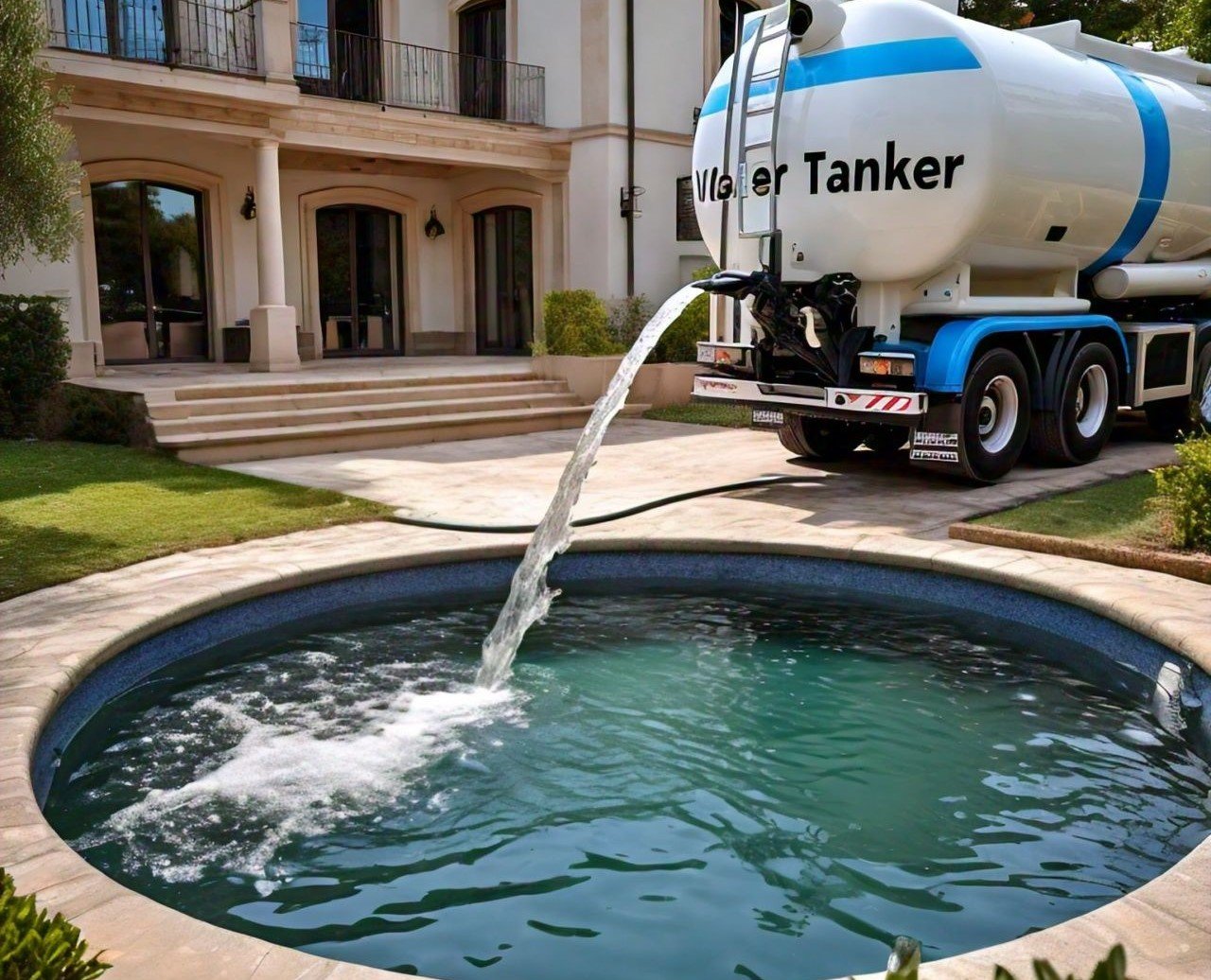
Swimming pool water delivery

Building a swimming pool at home is a dream come true for many homeowners. It’s the perfect place to relax, enjoy family time, throw parties, and beat the summer heat. However, that dream can quickly turn into a financial nightmare if you don’t plan your budget wisely. Pool construction involves more than just digging a hole and filling it with water—it includes permits, design, materials, labor, landscaping, and ongoing maintenance. The costs can quickly add up if you aren’t prepared.


That’s why having a solid budgeting plan before you start construction by a swimming pool company in Dubai is crucial. A well-planned budget will not only help you manage your expenses but also avoid surprises along the way. In this article, we’ll guide you through 10 smart and practical ways to budget for your new swimming pool construction so you can enjoy the benefits of your backyard oasis without draining your savings.


  1. Set a Realistic Budget Limit

Start by deciding how much you’re willing to spend. This is your absolute maximum. Don’t just guess—do your homework. Look at the average cost of pools in your area, and don’t forget to include extras like landscaping, decking, fencing, and permits. Having a clear upper limit prevents you from overspending and helps contractors tailor designs to your price range.

  1. Get Multiple Quotes from Contractors

Don’t go with the first contractor you find. Get at least 3 to 5 quotes from licensed pool builders. Compare the prices, services offered, and what’s included in each package. Some might offer discounts or include extras like cleaning systems or LED lighting. Multiple quotes give you a better understanding of the market rate and help you negotiate more confidently.

  1. Choose the Right Pool Type

There are different types of pools—in-ground, above-ground, concrete, vinyl, fiberglass—and each has a different price tag. In-ground concrete pools are the most expensive, while above-ground pools or fiberglass models are much more affordable. Decide which type suits your budget, space, and long-term goals. Sometimes, going with a simpler design can save tens of thousands of dollars.

  1. Break Down All Possible Costs

Don’t just consider the construction cost. List out every expense, such as:

  • Permits and inspections
  • Excavation and site preparation
  • Pool shell and materials
  • Plumbing and filtration systems
  • Electrical work and lighting
  • Decking, tiles, and landscaping
  • Safety fencing
  • Pool covers or heating systems

Understanding all the costs upfront helps you prepare financially and prevents “surprise” charges later in the project.

  1. Create a Construction Timeline

A rushed project often leads to higher costs due to overtime and rush shipping for materials. Planning a construction timeline with a pool company Dubai over several months or in phases can reduce financial pressure. For example, you can build the pool first, then add landscaping or heating features later. This phased approach gives you time to save between steps.

  1. Consider Financing Options Carefully

If you’re planning to finance the pool, compare options like home equity loans, personal loans, or pool financing programs. Look for low-interest rates, flexible payment terms, and no hidden fees. Most importantly, never borrow more than you can comfortably repay. Also, avoid loans that stretch beyond the useful life of your pool—doing so means you could still be paying off the loan even after the pool needs repairs or replacement.

  1. DIY What You Can

While major construction should be left to the pros, you can save money by handling some smaller tasks yourself. For example:

  • Painting or staining the deck
  • Planting landscaping
  • Assembling outdoor furniture
  • Basic pool cleaning and maintenance

Every bit of sweat equity can shave hundreds or thousands off your total expenses.

  1. Reuse and Recycle Materials

If you have leftover materials like stones, bricks, or tiles from past home improvement projects, don’t let them go to waste—they can be a valuable asset for your new pool area. Repurposing these items is a great way to save money while adding a personal touch to your backyard. For instance, old bricks can be used to create a charming patio around the pool, while leftover tiles can be incorporated into decorative borders or steps. Natural stones can add a rustic feel to landscaping or waterfall features.


In addition to reusing your own materials, consider checking out local salvage yards, construction resale stores, or online marketplaces like Facebook Marketplace or Craigslist. These places often offer gently used or leftover construction supplies at a fraction of retail prices. Many people sell surplus tiles, pavers, fencing, or decking materials that are still in excellent condition.

For those thinking outside the box, some homeowners have even repurposed large containers—like old shipping containers or concrete tanks—into creative plunge pools. This approach is not only budget-friendly but also environmentally conscious, as it reduces waste and the need for new materials. Repurposing helps stretch your budget, adds unique character to your pool, and supports sustainable building practices.

  1. Plan for Maintenance Costs

Don’t forget about long-term expenses. Pools require regular maintenance, including:

  • Water treatment and chemicals
  • Cleaning and equipment servicing
  • Electricity for pumps and heaters
  • Occasional repairs


Set aside an annual maintenance budget, so,  you’re not caught off guard later. Some budget-conscious homeowners even learn to maintain the pool themselves.

  1. Stick to Your Budget

Once you’ve set your budget, do everything you can to stick to it. Don’t get tempted by expensive tiles, fancy fountains, or luxury lighting if they push you over the edge. A beautiful, functional pool for villa renovation in Dubai Hills doesn’t have to be overly luxurious. Focus on what really matters: safety, durability, and enjoyment. Extras can always be added later as your finances allow.

A swimming pool is a great investment in your home and your lifestyle—but only if done responsibly. Budgeting is not about cutting corners—it’s about being smart with your money so you can get the most out of your pool without unnecessary stress. With proper planning, research, and discipline, you can create a backyard paradise that fits your dreams and your wallet. Ready to take the plunge? Follow these tips, stay within your limits, and enjoy the splashy rewards for years to come.

UAE Traffic Rules Guide 2025

0

This introduction contemplates why having knowledge of UAE traffic rules is not negotiable. 

Driving in the UAE is quite a privilege, but driving through the hustle and bustle of Dubai’s Sheikh Zayed Road or Abu Dhabi’s almost physically-irresistible Corniche is definitely a grave responsibility. The Netherlands boasts world-class highways where the fast cars give a sweep just outside the window, whereas in this country it becomes equally important to be disciplined, aware of one’s surroundings, and obey traffic laws. 

But many-a-time is it that the majority of drivers, especially the newcomers, unwittingly infringe traffic rules that make them liable to pay huge fines and earn black points or not-so-good influences, which eventually could lead to grave accidents. Whether a resident, a tourist, or a new expat just receiving his UAE Emirates ID, this guide will, therefore, take you through everything you need to know about the UAE traffic rules. 

Consider the ins – and the forgive – the outs: For no excuse is valid on UAE roads. 

Driving culture in the UAE – the glance

Before we unfold the technical terms, let us sink into what driving feels like. Picture this: Ten lanes on the road with Lamborghinis on one side and the delivery bike on the other. This sounds enticing. It is; just when you obey the rules. 

Strict, well-defined traffic laws have been established by the government to preserve order in this anarchy.

And they are serious about them.

Every error has repercussions, from unlawful parking to tailgating. The UAE government is striving for a culture of safety rather than merely seeking compliance.

Smart Cameras and Advanced Traffic Monitoring

Smart cameras and artificial intelligence catch individuals violating the law. They do much more than only look for speeding, however. These systems can identify:

  • Drivers not stopping for people at pedestrian crossings
  • Cars that overtake when they are not intended to
  • Drivers that jump the queue at road exits
  • Individuals utilizing their phones while driving.
  • These intelligent systems keep roadways safer for all.

Important traffic regulations all drivers must know by 2025

Let us go over the main regulations you have to abide by. Some of these have been recently updated, so even longtime residents may find a few surprises.

1.Stick to the Signs; they establish Speed Limits.

Urban Roads: 60–80 km/h

Highways: 100–120 km/h; some permit up to 140 km/h

Residential Areas: As little as 25–40 km/h

Some Emirates (such as Abu Dhabi) previously had a 20 km/h speed buffer above the posted limit; as of 2024, this buffer is being lifted across numerous regions. Always base your decisions on the sign’s contents.

Fine for Over speeding: AED 300 to AED 3,000

Black Points: Up to 23 points; your car could be seized.

Real-world tip: Waze or Google Maps can usually alert you when you’re about to overspeed.

2. No Mobile Phone While Driving

You may be fined even for tapping your phone as the car is in motion.

Fine: AED 800

Black Points: 4

Good mounts and Bluetooth systems will work. Simply avoid TikTok scrolling while stuck in traffic; you would be astonished at the frequency of this occurrence.

3. Obey Traffic Lights—No Exceptions:

It is about saving life rather than just about getting caught.

Fine: AED 1,000

Black Points: 12

Vehicle seizure: up to 30 days

Abu Dhabi fines of AED 50,000 could result for running a red light should it lead to a serious accident.

4. Driving Without a License? Don’t even consider it.

Driving without a current license is against the law whether you are waiting on your residency or just mislaid your wallet.

Good: AED 5,000

Potential Jail Time: Yes

Vehicle confiscation: likely

Expatriates Note: Only if your home country’s license is authorized and you have a visitor visa can you drive. Residents need to obtain a UAE driving license or convert one.

5:Tailgating and Dangerous Overtaking

We know—some people are rushing. 

Fine: AED 400

Black Points: 4

You could also get penalized for fast driving or lane-wrong passing.

6. Respect Pedestrian Crossings 

Not only is it disrespectful, but also it is against the law and hazardous not to give way to pedestrians.

Good: AED 500

Black points: 6

UAE is accelerating its road safety program “Vision Zero.” That comprises better crossing enforcement and additional pedestrian sensors.

7. Illegal Parking

All come with consequences: blocking driveways, parking in places designated for those of determination, or stopping on yellow lines.

Fines Range: AED 200–1,000

Black Points: Changes with offense.

Storytime: One friend parked at a disabled parking area in Downtown Dubai “just for five minutes.” That “quick stop” caused him embarrassment and 1,000 AED.

What has changed in fresh 2025 upgrades?

Smart Radar and Artificial Intelligence

Dubai and Abu Dhabi now have AI-powered radars that detect mobile use, lack of seatbelts, lane breaches, etc., all without human involvement.

Rule for All Passengers on Seatbelts: H3

Seatbelts are required for everyone, backseat passengers included, beginning in 2024.

Fine: AED 400 per person not donning one

Black Points: 4 for the driver

Guidelines for Parents and Families on Traffic

Children’s Safety Seats Must Be Required

Kids under four years should sit in an approved car seat.

Fine: AED 400

Black Points: 4

Front seat access is denied for youngsters under 145 cm or less than 10 years.

Expatriate and tourist traffic advice

Renting a car?

Check RTA’s list to see if your home country license is current in the UAE.

If appropriate, take foreign driving permits.

Before you drive off, always check your rental car for dents or scratches and report them.

Driving Etiquette:

Keep right unless overtaking.

Use indicators frequently; people here really look for them.

In the fast lane, flashing headlights mean “Please move aside,” not anger.


Explication of Penalties, Fines, and Black Points System

The UAE employs a black point system whereby drivers get points for infractions. Obtaining 24 points might result in license suspension.


OffenseFine (AED)Black Points
Over speeding (severe)3,00023
Running red light1,00012
Tailgating4004
Using phone while driving8004
Not wearing seatbelt4004


Benefits and drawbacks of the rigorous traffic rules in the UAE

✅ Pros:

  • Seriously save lives.
  • Maintains a steady traffic flow.
  • Decreases road rage events.
  • Uses technology to support intelligent law.

Cons:

  • Heavy fines are expensive.
  • Emirates have somewhat different regulations.
  • Certain locations contain perplexing signage.

Common Driver Mistakes (And How to Prevent Them)

Ignoring lane discipline Always remain in your lane except if you are passing.

Assuming it’s all right to park “just for 2 minutes” – it’s not.

Not updating Salik or registration information: Particularly following the acquisition of a used automobile.

In conclusion: Drive safe, drive intelligent

Driving in the UAE is a contemporary, opulent experience—but it comes with responsibility. You are safeguarding lives by knowing and obeying traffic regulations; you are not merely avoiding penalties.

Remember: Safety is not discretionary whether you are driving down the palm-fringed streets of Ras Al Khaimah or negotiating Sharjah’s more congested traffic lanes. It’s a lifestyle here.

 Practical Lesson:

✅ Respect all posted speed limitations and signs.

Always have your Emirates ID and a valid driving license.

Before passing over your automobile keys, instruct relatives and visitors.


How Orillia Is Keeping Its Community Safe

0


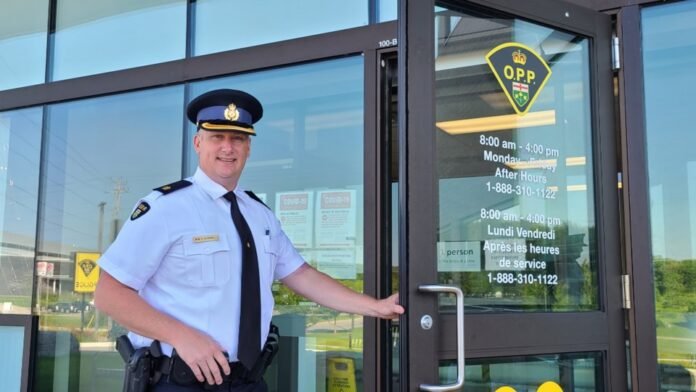
From increasing streetlights to boosting community programs, Orillia’s focus on resident safety has noticeably shifted into high gear. With a population of just over 33,000, the city may be small, but its community safety initiatives are anything but modest. Everyday heroes in Orillia – both behind desks and on the front lines – champion community wellness and safety, systematically fortifying law enforcement tools and providing robust healthcare, empowering residents with trust and confidence. Orillia is on a mission to create a safer, more harmonious community – and it’s working! Here’s a snapshot of the innovative safety initiatives that are making a real impact.

Crime Prevention and Community Policing

One of Orillia’s top priorities is reducing crime rates and improving public safety. In tandem with the community, the Orillia OPP has played a pivotal role in identifying and smothering potential flashpoints before they ignite. This city’s reputation for safety is no accident – it’s the direct result of an active, engaged police force working hand-in-hand with the community. For example, in 2023, Orillia’s crime severity index dropped by 6%, reflecting a continued downward trend in local crime rates.

The proof is in the numbers: community policing programs have been instrumental in bringing about this sharp decline. Resident safety hinges on a thriving partnership between the community and law enforcement. By fostering open communication, these initiatives empower citizens to be guardians of their own neighborhoods. Safeguarding local communities starts with residents, who are empowered to report suspicious goings-on and create a web of accountability. In just two years, we’ve seen a remarkable 12% spike in community-led reports of potential criminal activity, proof that watchful eyes can make a real difference.

The situation is somewhat more complicated with cyber incidents. The number of infections is constantly growing and this trend is observed all over the world. Many do not even suspect that their iPhone is infected with a virus. It is necessary to provide young people with knowledge about identifying infections and removing viruses from iPhone manually. This will protect data and avoid more serious consequences from hacking.

Youth Engagement and Crime Prevention

The youth of Orillia are also a focus in the city’s safety efforts. Crime rates won’t budge unless you tackle the root causes – that’s why the city’s pouring resources into programs that help kids stay out of trouble and on track. What’s “Youth Connect” all about? It’s a partnership between us and local schools to educate young people about the very real risks of drugs, gangs, and online harassment.

Bringing students together for open chats and matching them with positive mentors has paid off – youth-related incidents are way down in Orillia. A 2022 report showed a 15% reduction in juvenile offenses compared to the previous year. The way our city is focusing on prevention is truly forward-thinking – instead of just patching up problems, it’s stopping them from becoming problems in the first place.

Public Health and Safety Initiatives

Orillia is not just focused on crime reduction; the city also prioritizes public health and safety. From emergency preparedness to promoting mental health, these initiatives aim to ensure that residents can live in a secure and supportive environment.

In the wake of the COVID-19 pandemic, Orillia has ramped up its public health efforts. The city has implemented regular safety updates to inform the public about health risks and precautions, along with organizing vaccination clinics and distributing personal protective equipment (PPE). Orillia’s approach has helped contribute to a vaccination rate of 85% by mid-2022, a key factor in keeping the community safe.

In the realm of cybersecurity, prevention is also much more effective than dealing with the consequences of a hack. If we apply the analogy to a vaccine, then its role in the network will be played by VeePN for Orillia residents. The service protects against hacking, eavesdropping, data interception, and other cyber threats.

Mental health has also been a significant focus. The Orillia Community Action Network (OCAN) has launched several campaigns to reduce the stigma around mental health issues and offer resources for those in need. In 2023, OCAN saw a 25% increase in residents accessing mental health services, an encouraging sign that people are seeking the support they need.

Traffic Safety and Infrastructure Improvements

When it comes to safety, it’s not all about crime prevention and public health. Orillia has also taken strides in improving its infrastructure to enhance road safety for both drivers and pedestrians. In recent years, the city has launched several traffic safety initiatives aimed at reducing accidents and improving the flow of traffic.

For example, a new traffic management system was implemented in early 2023. This system uses advanced technology to monitor traffic patterns and adjust signal timings to reduce congestion. In its first year of operation, the city reported a 10% reduction in traffic-related incidents.

Additionally, Orillia has made pedestrian safety a top priority, especially in school zones. Flashing crosswalk lights and speed cameras have been installed at several high-risk intersections, and preliminary data shows a 7% drop in pedestrian accidents since their installation. The city also continues to improve road conditions, repairing over 15 kilometers of local roads in 2023 alone.

Looking Ahead: The Future of Orillia’s Safety Initiatives

With public safety on the forefront, Orillia has pushed to build a secure environment – and they’re not satisfied with stopping here. What’s on the horizon? Building safer neighborhoods through proactive programs, meeting the rising demand for mental health services, and targeted investments in our community’s backbone – its infrastructure. Two budding initiatives have the city buzzing: harnessing tech to generate meaningful insights from security data and upgrading surveillance to snuff out threats in real-time. The ultimate goal? Preventing crime before it becomes a reality.

Orillia’s number one goal is to provide a secure environment where residents can live life to the fullest, free from worry and filled with possibility. Gone are the days of dark alleys and rough streets. In their place, you’ll find thriving initiatives, a force of committed officers, revitaled parks, and forward-thinking public health programs that put people first. Orillia is proof that investing in safety initiatives pays off – it’s got a stronghold on safety today and is Future-Ready for whatever comes next.

Finding Jobs In UAE 2025

0


Introduction: Chasing Dreams in the Desert

The UAE isn’t all ban glow, high-end automobiles, and perpetual sunshine—it’s also a destination for ambitious expats who want to take their careers to the next level. From Dubai’s glamour to Abu Dhabi’s cultural appeal, career enthusiasts around the globe fantasize about being part of this dynamic, tax-free economy. But let’s get real, getting a job in this place as an expat can be like driving through the desert without a compass.

That’s precisely why I created this guide.

As a person who has navigated the labyrinth of job sites, recruiter ghosting, and perplexing visa procedures, I understand the grind. In this blog post, I’ll demystify finding jobs in the UAE as an expat—step by step, with genuine advice, hands-on tools, and techniques that are effective in 2025.

Why the UAE is Still a Top Destination for Expats

Economic Resilience & Growth

In spite of worldwide uncertainties, the UAE has been remarkably resilient economically. The GDP growth of the country is projected to be 4.2% in 2025, according to the UAE Central Bank, led by the tourism, technology, logistics, and renewable energy industries.

Tax-Free Salaries & Multinational Workplaces

Let’s not forget the mammoth in the room: zero income tax. Add that to a multicultural, English-speaking workplace, and it’s no wonder that more than 8.9 million expatriates (nearly 89% of the population!) I live in the UAE.

Before You Begin: Know the UAE Job Market

The UAE isn’t one enormous buffet of jobs. There’s a demand curve stretching across every emirate and sector.


Hot Sectors in 2025:

  • Tech & IT – Cloud computing, AI, cybersecurity, and app development.
  • Healthcare – Especially nursing, general practitioners, and specialists.
  • Hospitality & Tourism – Dubai Expo legacy and tourism resurgence.
  • Green Energy – As the UAE pushes sustainability, this sector is booming.
  • Logistics & Supply Chain – Thanks to Dubai’s role as a global transit hub.

Tip: Tailor your CV and pitch based on which industry you’re targeting. A software engineer’s path differs wildly from a hotel manager’s.


Step-by-Step Guide: How to Find Jobs in the UAE as an Expat

1. Fine-Tune Your CV for the UAE

UAE recruiters have specific expectations.


Key Tips:

  • Keep it no longer than 2 pages.
  • Include a professional photo (optional but still common here).
  • Add personal details like nationality, visa status, and current location.
  • Personalize each application to the job description—one-size-fits-all will not work.


Pro Tip: Employ UAE job templates on websites such as Bayt or Naukrigulf to format your resume the way local employers prefer.


2. Know Where to Look: Job Portals That Work

There are tons of job sites on the internet, but not all are effective in the UAE economy.


Best UAE Job Portals in 2025:

LinkedIn UAE  The still strong king of non manual  networking and job searching.


Naukri Gulf   Particularly suitable for Indian expats and technical jobs.


Insider Tip: Many companies don’t post all openings. Sometimes, just applying via a direct company website or contacting a recruiter on LinkedIn works better.


3. Leverage LinkedIn Like a Pro

It’s 2025—if you’re not using LinkedIn strategically, you’re missing out.


Quick LinkedIn Optimization Tips:

  • Turn on “Open to Work” and make it visual  to scout
  •  Connect with UAE-based HR professionals and hiring managers.
  • Interact with posts from potential employers—you want to be seen.
  • Use hashtags that are pertinent:

“I got three interviews from simply commenting on a recruiter’s post and sending a personalized message,” says Riya, an Indian software developer now based in Sharjah.


4. Know Work Visas and Sponsorships

This section catches many newcomers off guard.


Two Main Routes:

  • You get a job, and the employer sponsors your visa (normal procedure).
  • You come on a visit visa and locally search for a job.

In 2022, the UAE launched a Job Seeker Visa (with validity of 60, 90, or 120 days), exclusively for foreigners looking at opportunities to work without a sponsor.

Basic Visa Requirements:

  • Certified degree (for professional jobs)
  • Valid passport
  • Passport photos
  • Background check (for certain industries)

5. Visit Job Fairs & Network Events

Sometimes, offline is better than online.


Events to Look Out for:

  • Careers UAE Expo (Dubai World Trade Centre)
  • Tawdheef (Abu Dhabi) – Emiratisation-focused, but great for networking.
  • TechMeetups, LinkedIn Local Dubai, and other free network events on Meetup.com

These are gold for establishing real-life connections with recruiters and HR professionals. Come with printed resumes, a smile, and an elevator pitch.


6. Leverage Recruitment Agencies (But Be Intelligent)

Recruitment agencies can be of use if you choose the correct ones.


Reputable Agencies at the top:

  • Michael Page UAE
  • BAC Middle East
  • Charterhouse
  • Robert Half
  • Adecco Middle East

7. Leverage the Strength of Referrals

In the UAE, your connections are what count in many cases—particularly in sectors such as real estate, media, and sales.

Ask your network for:


  • Referrals
  • Internal job opportunities
  • Informational interviews
  • Even a casual coffee meeting can lead to opportunities.

8. Think Freelance or Remote Work (Legally!)

As digital nomadism gains popularity, the UAE introduced various visa options.


Your Options in 2025:

Freelance Permits (Dubai, Abu Dhabi, Ras Al Khaimah)


  • Green Visa – For freelancers and self-employed professionals
  • Remote Work Visa – For remote workers employed by foreign companies

Fun Fact: Dubai was one of the initial cities worldwide to introduce a special visa for digital nomads.


Pros and Cons of Job Searching in the UAE as an Expat

   Advantages                                             Disadvantages

Tax-free income                           Competitive market

Worldly experience                           Expenses( particularly Dubai)

High-growth industries               Visa reliance on employers

5. Visit Job Fairs & Network Events

Sometimes, offline is better than online.


Events to Look Out for:

  • Careers UAE Expo (Dubai World Trade Centre)
  • Tawdheef (Abu Dhabi) – Emiratization-focused, but great for networking.
  • Tech Meetups, LinkedIn Local Dubai, and other free network events on Meetup.com

These are gold for establishing real-life connections with recruiters and HR professionals. Come with printed resumes, a smile, and an elevator pitch.


6. Leverage Recruitment Agencies (But Be Intelligent)

Recruitment agencies can be of use if you choose the correct ones.


Reputable Agencies at the top:

  • Michael Page UAE
  • BAC Middle East
  • Charterhouse
  • Robert Half
  • Adecco Middle East

7. Leverage the Strength of Referrals

In the UAE, your connections are what count in many cases—particularly in sectors such as real estate, media, and sales.

Ask your network for:


  • Referrals
  • Internal job opportunities
  • Informational interviews
  • Even a casual coffee meeting can lead to opportunities.

8. Think Freelance or Remote Work (Legally!)

As digital nomadism gains popularity, the UAE introduced various visa options.


Your Options in 2025:

Freelance Permits (Dubai, Abu Dhabi, Ras Al Khaimah)


  • Green Visa – For freelancers and self-employed professionals
  • Remote Work Visa – For remote workers employed by foreign companies

Fun Fact: Dubai was one of the initial cities worldwide to introduce a special visa for digital nomads.


Pros and Cons of Job Searching in the UAE as an Expat

   Advantages                                        Disadvantages

Tax-free income                           Competitive market

Worldly experience                           Expenses( particularly Dubai)

High-growth industries               Visa reliance on employers


Reasonable Expectations: How Long Does It Take?

Based on your industry and experience level, the job search could take 1 to 4 months. But do not be discouraged. Numerous expats found excellent positions by remaining relentless, enhancing their profile, and networking strategically.


Quick Story

Zahid (Logistics professional from Pakistan) did 80+ online apps without any success, yet, with a new LinkedIn profile, a job fair attended, and a direct recruiter connection landed him two offers within a month.


Bonus Tips for Standing Out in the UAE Job Market

  • Get certifications relevant to your field (e.g., PMP, CFA, AWS).
  • Take short courses at platforms like Coursera or Udemy—recruiters notice!
  • Learn Arabic (even the basics)—it’s a bonus for you.
  • Follow up after an interview or application always.

How to Tap the Hidden Job Market:

  • Talk to employees working for companies you respect and seek guidance (not employment).
  • Visit industry-related meetups or webinars.
  • Private WhatsApp groups or Telegram channels of professionals in your field.
  • Connect with UAE based scout and firm pages on LinkedIn and interact regularly.


Reasonable Expectations: How Long Does It Take?

Based on your industry and experience level, the job search could take 1 to 4 months. But do not be discouraged. Numerous expats found excellent positions by remaining relentless, enhancing their profile, and networking strategically.


Quick Story

Zahid (Logistics professional from Pakistan) did 80+ online apps without any success, yet, with a new LinkedIn profile, a job fair attended, and a direct recruiter connection landed him two offers within a month.


Bonus Tips for Standing Out in the UAE Job Market

  • Get certifications relevant to your field (e.g., PMP, CFA, AWS).
  • Take short courses at platforms like Coursera or Udemy—recruiters notice!
  • Learn Arabic (even the basics)—it’s a bonus for you.
  • Follow up after an interview or application always.

How to Tap the Hidden Job Market:

  • Talk to employees working for companies you respect and seek guidance (not employment).
  • Visit industry-related meetups or webinars.
  • Private WhatsApp groups or Telegram channels of professionals in your field.
  • Connect with UAE based recruiters and firm pages on LinkedIn and depend on them regularly.

The Place of Emiratization in Your Job Search

Nationalization touches on the UAE government’s initiative to boost the rate of Emiratis working in capitalism . This has an implication for some jobs and professions—particularly admin, HR, and finance—where businesses are required to put UAE nationals first.


How This Impacts Expats:

Expats working in areas such as tech, engineering, healthcare, and construction are less impacted.


If you’re applying for banking or HR positions, there will be greater competition or preference for UAE nationals.


Workaround Tip: If you’re in a profession becoming Emirates, shift to positions where you can specialize or lead international teams—these tend to be more difficult to localize.


Salary Expectations and Negotiation in the UA

Let’s discuss money—since negotiating your remuneration package in the UAE is essential. As opposed to most Western nations, offers of employment here allow for bargaining—not only salary but also accommodation, transportation, and airfare allowances.


What’s Usually Part of UAE Remuneration Packages:

  • Basic salary
  • Housing allowance
  • Transportation allowance
  • Annual air ticket to your home country
  • Medical insurance
  • Gratuity (end-of-service benefit)


Tip: Be aware that sometimes the job may give you AED 12,000/month as the overall package, but you receive only AED 8,000 as basic salary. This has an impact on your gratuity calculation, so know the split before you sign.

Cost of Living Reality Check

While UAE salaries are tax free, the cost of living especially in cities like Dubai and Abu Dhabi can be high.


Average Monthly Expenses (2025 Estimates):

  • Rent (1-bedroom apartment): AED 4,500–7,000
  • Utilities & Internet: AED 800–1,200
  • Groceries & Food: AED 1,500–2,500
  • Transportation: AED 400–800 (public), AED 1,500+ (car)

Tip: If your salary doesn’t include a housing allowance, avoid signing a lease until you’ve explored shared accommodations or areas like Deira, Bur Dubai, or Al Nahda.


Advantages of Being Present in the UAE While Looking for a Job:

  • Quicker interviews and responses
  • Increased exposure to local recruiters
  • Availability for walk-in drives or job fairs

But it is accompanied by cost (e.g., rent, transport, visa fee) if you do not get a job soon. That is where the UAE Job Seeker Visa excels—it allows you 60–120 days of legally seeking employment without a sponsor.


Red Flags to Avoid

Sadly, the UAE labor market is not scam- and scam-free. Here’s what to avoid like plague:


  • Job offers that demand money upfront
  • Spams claiming to offer work visas
  • “Too good to be true” entry-level wages
  • Agents who say they can find you employment if you “just pay a small fee”

 Real employers will never request you to pay for hiring. If they do, leave.


Learn Local Workplace Etiquette & Culture

Even if you’re an expert in your profession, cultural knowledge can cause you to succeed sooner.


Key Cultural Tips

  • The workweek is Monday to Friday (Friday is half-day in some companies).
  • Show up on time—but be patient, as meetings tend to begin late.
  • Avoid politics, religion, or liquor in a professional environment.
  • English is prevalent, but throwing in some Arabic greetings such as “As-salamu alaykum” will win you friends.

Adhering to cultural norms doesn’t just get you hired—it keeps you hired and helps you advance.

Conclusion: Your UAE Dream Job Is Closer Than You Think

Getting a job in the UAE as an expat is not always a walk in the park, but with the right approach, forbearance, and local knowledge, it’s definitely achievable.

Stay proactive. Update your online presence. Build real relationships

Whether you’re aiming for the skyscrapers of Dubai or the growing tech parks of Abu Dhabi your opportunity might just be one connection or click away.

Practical Takeaway:


  • Polish your CV for UAE norms.
  • Apply smart, not hard—use top platforms.
  • Network both online and offline.
  • Understand visa laws and don’t rush into illegal arrangements.


Complete Guide to Banking in the UAE 2025

0
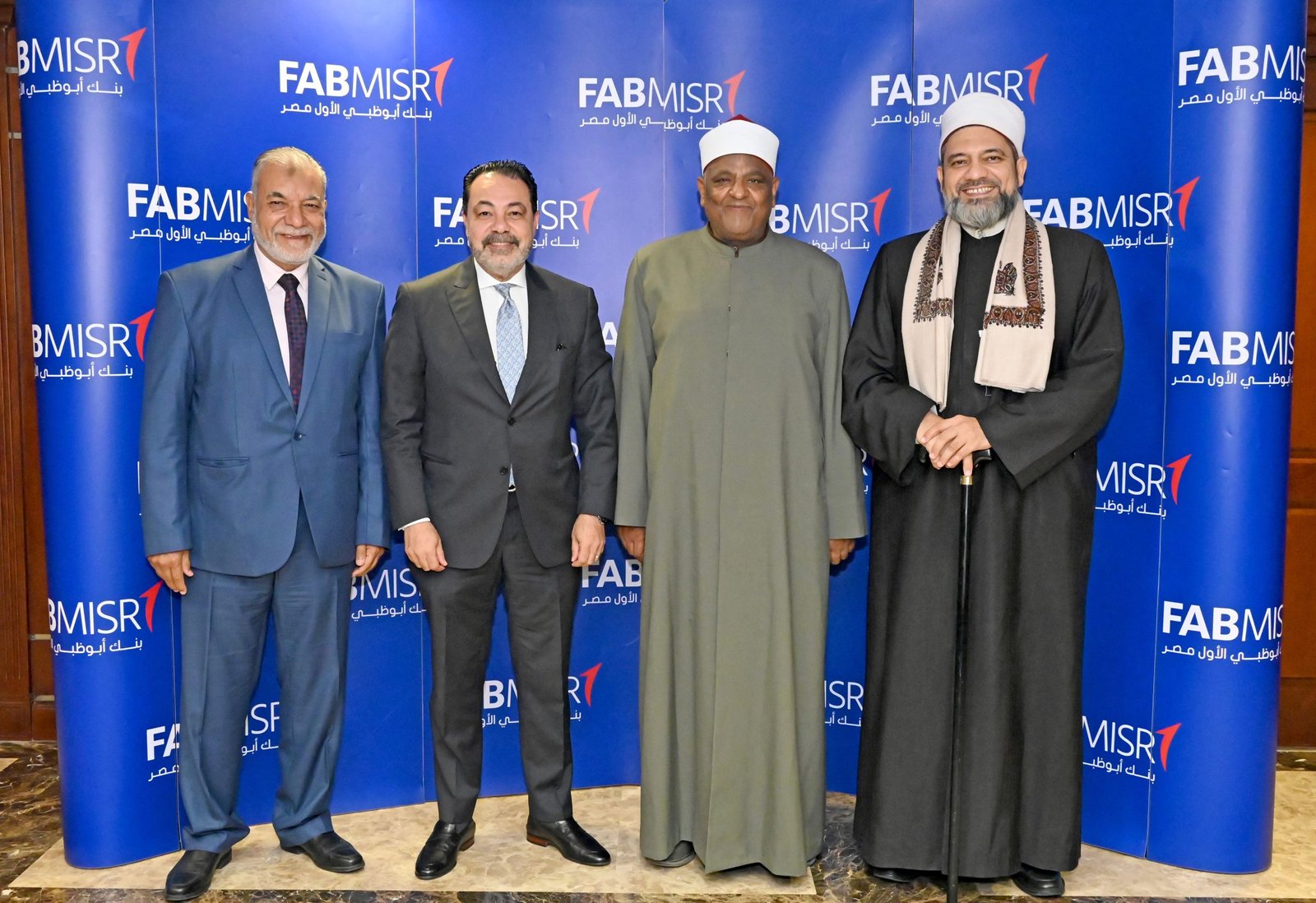
Key FAB Islamic Banking Services:

Introduction:

UAE banking is not merely about verifying your balance or taking money from an ATM. It’s a portal to a dynamic financial world designed to serve locals, expats, and international investors alike. You might be a new expat establishing life in Dubai, a young entrepreneur starting a business in Abu Dhabi, or a veteran investor looking at the UAE tax-free economy. No matter who you are, it’s essential to know how things work here in the banking system.
So let’s take you through it all — from opening a bank account, selecting the perfect debit or credit card, to knowing the rules that protect your money.

Related: How to Open a Bank Account in the UAE: Full Guide for Expats and Residents

Types of Bank Accounts in the UAE

1. Current Accounts

These are favored by salaried individuals and companies. The majority of current accounts have:

A checkbook (occasionally optional for expats)
Free debit card
Online and mobile banking access
SMS notification
You will generally be required to keep a minimum monthly balance — ranging from AED 3,000 to AED 10,000 depending on the bank.
Tip: Find banks that do not charge minimum balance for salary accounts.

2. Savings Accounts

UAE savings accounts typically have very little interest (typically 0.25% to 1%) but provide easy withdrawal facilities. A few even have loyalty schemes or reward points.

You can opt for:

AED or foreign currency accounts
Traditional or Islamic banking structures
Related: Islamic Banking in the UAE: Principles, Features & Top Options

What You Need to Open a Bank Account
Opening a bank account in the UAE is a structured but relatively smooth process — if you’ve got your documents in order.

Required Documents:

Emirates ID (or application receipt if newly arrived)
Valid passport with residence visa
Salary certificate or proof of income
Tenancy contract or utility bill (address proof)

Insider tip: Some banks now allow digital onboarding via video KYC, especially for salary accounts.

UAE Debit and Credit Cards: What You Need to Know
Debit Cards
Debit cards come with most accounts and can be used for:
Local and international purchases
ATM withdrawals (with limits)
Online shopping (activation needed by some banks)
Credit Cards
Eligibility for credit cards usually involves:

Minimum monthly salary of AED 5,000 (variable)
Good credit history
Age over 21
Best credit card benefits:
Airport lounge entry
Cashback rewards
Dining savings
Reward points
Watch out for:
High interest rates (approximately 2.99% per month if left unpaid)
Late payment charges

Pro tip: Shop around for Top Bank offers in the UAE prior to application.

ATM Withdrawal Limits and Charges in 2025

In 2025, UAE banks continued to enhance ATM limits for security and convenience.

Standard ATM Limits:

Daily withdrawal limit: AED 10,000, 15,000
Daily POST (point-of-sale) expenditure: Up to AED 30,000

Charges to Keep an Eye Out For:

Cross-bank ATM withdrawals: AED 2–3 per withdrawal
International ATM usage: Currency exchange + transaction fee (~2.5%)
See also: ATM Withdrawal Limits in the UAE: Fees, Tips & Hacks
Bank Timings and Operating Hours
The majority of banks in the UAE work Sunday to Thursday (the weekend being Friday-Saturday), but the timings are different:

Typical Banking Hours (2025):
Bank Type Opening Hours
Branches 8:00 AM – 2:00 PM
Customer service centers Until 8:00 PM
Mall branches Up to 10:00 PM (7 days a week)
Mobile and Online Banking: Secure in the Digital World
Digital banking has taken off in the UAE, particularly after COVID. By 2025, almost all banks have feature-robust apps, biometric access, and AI chatbots.
Security Features Implemented:
2FA (Two-Factor Authentication)
Instantly sending transaction alerts
Biometric authentication (Face ID, fingerprint)
Account lockout after repeated failed login attempts

But also do:
Avoid public Wi-Fi while banking
Update passwords frequently
Turn on biometric login where possible

Also read: Online Banking Security in the UAE: Safe in 2025

Islamic vs. Conventional Banking: Getting it Right
Conventional Banks
Work on interest-based lending (riba) and profit models. Ideal for:
Expats used to Western-style banking
Heavy credit users (e.g., business loans, credit cards)
Islamic Banks
Work according to Sharia law no interest is levied.
Popular offerings:

Murabaha (cost-plus financing)
Ijara (leasing model)
Sukuk (Islamic bonds)
Related: Islamic Banking in the UAE:, Good , Banks & Differences

Regulations You Should Know in 2025

1. FATCA and CRS Compliance

If you’re an American or you owe tax in another nation, your bank in the UAE might report on your holdings under FATCA or CRS regimes.

2. Anti-Money Laundering (AML) Laws

AML regulations are strict in the UAE. Large money deposits or suspicious deposits can prompt an investigation.

3. Credit Score System (AECB)

All expats and residents enjoy a credit score that is maintained by the Al Etihad Credit Bureau. Late payments on bills or loan defaults impact your score — and subsequent bank applications.

Tip: Monitor your AECB score regularly when applying for a loan or mortgage.
Top Banks in the UAE for exile and citizens (2025)

Bank Best For Recommended Features

Emirates NBD                 All-rounder                      Huge branch network, easy-to-use app

ADCB                 Expats Minimum salary free accounts,    lifestyle credit cards

FAB                      High-net-worth individuals         Wealth management global investment 

Dubai Islamic Bank          Islamic banking              Full range of Sharia-compliant products

Mashreq                      Digital users                         Mashreq Neo – digital-only banking

Shared Problems and How to Deal with Them

1. Delayed Salary and Freezing of Accounts

If your employer is slow in transferring salary, your account might get frozen for non-maintenance by some banks. Be proactive always.

2. International Fund Transfers

Remittance depends on many expats. Utilize:

Bank wire transfers (generally costlier)
Exchange bureaus such as Al Ansari, Lulu, or Wise

3. Conspiratorial Charges

Be careful about:

Dormancy charges (if account inactive for 6+ months)
Credit card membership fees
Overdraft charges

Insider tip: Always check the fine print. Banks are required by law to post fee schedules on their websites.

1. Which way to Open a Bank Account in the UAE (2025)

Opening a bank account in the UAE is straightforward — but only if you’ve got the right paperwork and know where to go.
Who Can Open a Bank Account?
UAE residents (with valid residency visa)
Non-residents (limited options, usually savings accounts)
Corporate accounts (for registered businesses)
Documents Required:
For individuals:

Emirates ID or application receipt
Passport with valid residency visa
Salary certificate or employment letter
Proof of residence (DEWA bill, tenancy agreement)
For businesses:
Trade license
MOA (Memorandum of Association)
Copies of shareholders’ passports
Office tenancy agreement

Tip: Banks with a digital-only presence, such as Mashreq Neo or Liv. by Emirates NBD, supports online account opening within less than 10 minutes.

2. Islamic Banking in the UAE: Ethical and Interest-Free

Islamic banking is not exclusive to Muslims. Indeed, some expats opt for it for its ethical and transparent foundations.

Key Principles of Islamic Finance:

No interest (riba): Banks profit through profit-sharing, not interest.
Risk-sharing: Bank and customer share profit/loss.
Asset-backed: All products have to be linked to tangible assets.
Ethical investing: No financing for sectors like alcohol, gambling, etc.
Typical Islamic Banking Products:
Murabaha: Fixed profit sale agreement (widely used for car financing)

Ijara: Lease-to-own model (used in real estate)

Mudaraba: Profit-sharing investment
Major Islamic Banks in the UAE:
Dubai Islamic Bank (DIB)
Abu Dhabi Islamic Bank (ADIB)
Emirates Islamic Bank

Bonus: Islamic credit cards steer clear of interest but include cashback, travel benefits, and Sharia-friendly rewards.

3. Best UAE Banks for Expats and Businesses (2025)

There’s competition in the UAE bank market — and that’s a good thing. You have diversity, improved rates, and wiser digital offerings.

Best UAE Banks (2025):

Bank Suitable For Top Features
Emirates NBD Expats, salaried workers-strong app, extensive branch presence
ADCB Low-paid expats, SMEs- salary accounts with no minimum balance
FAB High-net-worth\tWealth management, strong UAE and international presence
Mashreq Neo Digital travelers, tech-smart users 100% online bank with excellent cashback
Tip: Review monthly fees, ATM networks, online facilities, and customer ratings before selecting.

4. ATM Withdrawal Limits in the UAE (2025)

Whether shopping locally or traveling overseas, knowing your card limits can be a headache-saver.
Typical ATM Limits:
Daily cash withdrawal: AED 10,000–15,000
POS/Shopping limit: AED 20,000–30,000
International ATM use: Up to AED 5,000 (with conversion fees)

Fees You May Pay:
Same-bank ATM use: Free
Other UAE banks: AED 2–3 per transaction
Overseas ATM: 2.5%–3.5% conversion + transaction fee

Pro Tip: Use your own bank’s ATMs or app for free balance checks and mini-statements.

5. Bank Timings in the UAE

Banking hours differ by bank and emirate — but here’s an overview.
Regular Timings:
Weekdays (Sunday to Thursday):

Main branches: 8:00 AM – 2:00 PM
Business centers: 8:00 AM – 4:00 PM
Weekend (Friday–Saturday):

Closed or reduced services (a few mall branches are open until 10 PM)
Digital services are 24/7

Mall Branches:

Several banks such as Emirates NBD, ADCB, and FAB have branches within malls that are open 7 days a week — great for evening visits after work.

Tip: Make appointments using mobile apps to avoid queues, particularly at popular branches.

6. Online Banking Security in the UAE: How to Stay Safe in 2025

UAE banks are some of the region’s most technology-savvy. Convenience has its price, however.

Banks’ Security Features:

Two-factor authentication (SMS + biometrics)
Secure email notifications for all transactions
Virtual card facilities for online shopping
Real-time fraud detection & lock/unlock functions

What You Can Do:

Never disclose OTPs or passwords
Update passwords every 3–6 months
Make use of biometric login (face/fingerprint)
Typical UAE Online Scams:
False “bank verification” phone calls
SMS phony links “blocking accounts”
Social media “investment” cons

Tip: UAE banks and police recommend reporting fraud through the Dubai Police e-Crime portal or “Al Ameen” service.

Would You Like This as a Mini-Series or Internal Blog Links?

Above each section can be:

Built out into a standalone 800–1,000-word blog post
Linked internally from your primary banking guide
Combined into an email series or downloadable PDF guide for readers
Let me know how you’d like to proceed — I can build this out as a full internal content cluster for your site.

How to Start and Register a Business in the UAE: Step-by-Step for 2025

Introduction: The UAE – A Global Business Magnet

There’s a reason entrepreneurs from all corners of the globe find themselves attracted to the UAE.

Tax benefits
World-class infrastructure
Strategic positioning between East and West
From new startups to global brands, the UAE has one of the most business-friendly cultures in the world. In 2025, the environment is even more vibrant, with simplified procedures, new visa routes, and wider support for digital startups.

1. Understand the UAE Business Landscape

Before you dive in, understand the fundamentals:

Principal Business Jurisdictions:
Offshore – More for holding companies, assets, or international trade, not for conducting business within the UAE.
Pro tip: Mainland provides wider access to UAE markets. Free zones provide 100% ownership and tax benefits.


How to Start and Register a Business in the UAE

0

Introduction: Why the UAE Remains a Business Hub in 2025

Imagine waking up to year-round sunshine, zero income tax, and access to one of the most dynamic economies in the Middle East. That’s the UAE for entrepreneurs—a blend of lifestyle and limitless opportunity.

With initiatives by the government such as the National Entrepreneurship Agenda 2031 and easy processes through platforms such as Basher and Invest in Dubai, opening a business here has never been easier.

Whether you’re a homegrown dreamer or driven expat, this guide will take you step-by-step through how to set up and register your business in the UAE, detailing every important fact—from selecting the proper jurisdiction to understanding license types and start-up fees.

Step 1: Select the Proper Business Jurisdiction

Your UAE business location dictates your operations, rights of ownership, taxation, and even visa limits. You’ll select from:

Mainland, Free Zone, or Offshore

Mainland:

  • Complete access to UAE markets and government contracts.
  • 100% investment abroad  is now permitted in the seniority of industries.
  • Controlled by the Department of Economic Development (DED) per emirate.
  • Suitable for service-oriented firms such as consultancies or retail.

Free Zone:

  • Perfect for trading, IT, logistics, media, and start-ups.
  • 100% ownership, no import/export charges, and tax benefits.
  • Has its own independent Free Zone Authorities.
  • Restricted to Free Zone or foreign trade business—can’t sell directly to the local market without a distributor.

Learn more: Free zone vs Mainland Business Setup in UAE

Offshore:

  • Mainly used for holding companies, international trading, or IP holding.
  • No physical presence or business operations in the UAE.

Pro tip: If you’re planning to do B2B or work with UAE government clients, go for a Mainland license. For tech startups and freelancers, a Free Zone is more cost-effective and flexible.

Step 2: Decide on Your Business Activity

The UAE government provides more than 2,000 licensed business activities—from management consultancy and e-commerce to construction and food delivery.

You need to align your selected activity with an approved list released by the DED or respective Free Zone Authority. Combining unconnected activities (e.g., consulting + general trading) can make licensing harder.

Typical Business Categories:

  • Professional (consultancy, design, digital marketing)
  • Commercial (trading, retail, logistics)
  • Industrial (manufacturing, production)

Step 3: Select a Legal Structure

Legal structure varies depending on your activity, ownership model, and number of shareholders. Popular options are:

  • Sole Proprietorship
    • Limited Liability Company (LLC) – perfect for most businesses
    • Civil Company – for professional services
  • Branch of Foreign Company
  • Freelance Permit – ideal for solo professionals

For expats who wish to establish themselves in Free Zones, the Free Zone Establishment (FZE) or Free Zone Company (FZC) are favored.


Step 4: Register Your Trade Name

Your trade name must be consistent with your business activity and be approved by the competent authority.

Key Rules:

  • No offensive or religious words.
  • No abbreviations of personal names (e.g., “A.S. Consultancy” is not permitted).
  • You may use Arabic or English.
  • Registration charges are between AED 620 and AED 2,000, depending on the emirate and other branding options (e.g., foreign names, group names, etc.).

Step 5: Obtain a Business License

There are four primary types of licenses in the UAE:

License Types:

  • Commercial License – For trading and commercial purposes.
  • Professional License – For service professionals and freelancers.
  • Industrial License – For industrial and manufacturing operations.
  • Tourism License – For tour operators, travel agencies, etc.
  • Discover in depth: Business Licenses in the UAE

Step 6: Select an Office Space

Whether a Flexi-desk, shared offices, or actual office, UAE laws typically demand a business address registered.

Choices:

  • Mainland: Need to rent an actual office.
  • Free Zones: Provide Flexi-desks, shared offices, or individual offices.
  • Virtual Offices: On offer in some Free Zones for freelancers and individual entrepreneurs.

Tip: Certain Free Zones such as IFZA, SHAMS, and RAKEZ have startup packages with Flexi-desks and 1–3 visa quotas available.

Step 7: Submit Documents and Pay Fees

  • You’ll need to prepare and submit:
  • Passport copies of shareholders
  • Emirates ID (if applicable)
  • Business plan (for certain activities)
  • NOC (No Objection Certificate) if you’re a UAE resident on a work visa
  • Lease agreement (Ejari for mainland)
  • MOA (Memorandum of Association) for LLCs
  • License issuance typically takes 3–7 working days, depending on approvals.

Step 8: Open a UAE Business Bank Account

Opening a business bank account might be the most challenging step, particularly for startups or freelancers who have no financial record.

Documents Needed:

  • Trade license
  • MOA
  • Shareholder documents
  • Office lease
  • Business plan
  • KYC compliance documents

Favourite banks for business accounts:

  • Emirates NBD
  • Mashreq NeoBiz (excellent for SMEs)
  • RAKBANK
  • ADCB
  • FAB

Step 9: Apply for Visas (Yourself and Employees)

After your license is received, you can apply for residency visas attached to your business.

Typical visa quotas:

  • Mainland: Visa quota based on your office space (1 visa per 80 sq. ft.).

Every visa process involves:

  • Entry permit
  • Emirates ID application
  • Medical fitness test
  • Residency stamping

Step 10: Register with Government Portals

  • Based on your business type and emirate, register with:
  • Federal Tax Authority (FTA) – If you meet the VAT threshold (AED 375,000+ revenue per annum)
  • Wage Protection System (WPS) – If you’re employing staff
  • Chamber of Commerce
  • Online platforms such as Basher, Invest in Dubai, or TAMM Abu Dhabi for digital establishment

Fees of Starting a Business in the UAE in 2025

While prices differ by location, here’s a rough estimate for a startup:

Item Estimated Cost (AED)

Trade Name & Initial Approval 1,000 – 2,500

License Issuance 7,500 – 15,000

Office Space / Flexi Desk 5,000 – 20,000

Visa (Per Person) 3,000 – 6,000

MOA & Legal Fees 2,000 – 5,000

For Free Zone startups, packages including everything start from AED 12,000 per year.

Roots for Expats Starting a Business in the UAE

  • Do your homework: Each emirate and Free Zone has unique rules. Consult professionals.
  • Understand cultural nuances: Business is often relationship-based.
  • Hire a PRO: Paperwork can be tedious—professional services save time.
  • Consider a co-founder: Especially if you’re new to the region.
  • Plan for renewal costs: Licenses and visas need annual renewals.

Advantages And Disadvantages off set up  a Business in the UAE

 Pros:

  • 0% personal income tax
  • Strategic geographical position between Asia, Europe, and Africa
  • Latest infrastructure and connectivity
  • Business-friendly laws
  • Access to various markets

 Cons:

  • Exorbitant initial set-up and renewal fees
  • Limited access to finance for startups
  • Sophisticated paperwork in the absence of proper counsel

Freezone vs Mainland Business Setup in the UAE: Which Is Suitable for You in 2025?

Considering opening a business in the UAE but stuck between Freezone and Mainland? You’re not alone. It’s one of the most frequently asked questions small business owners have—and for good reason. Where you incorporate your business will determine everything from whom you can sell to, to how much equity you own, and even your overall overhead costs.

In this section, we’ll break down the advantages, disadvantages, and the main differences between Freezone and Mainland setups—so you can make an informed choice that suits your business objectives in 2025.

What is a Freezone Company?

Free Zones (or Free Trade Zones) are specifically designed places within the UAE that provide business-friendly regulations and incentives.

  • DMCC (Dubai Multi Commodities Centre)
  • IFZA (International Free Zone Authority)
  • RAKEZ (Ras Al Khaimah Economic Zone)
  • SHAMS (Sharjah Media City)
  • DIFC (Dubai International Financial Centre)

All Free Zones have their own jurisdiction and provide industry-specific advantages (e.g., media, logistics, tech, finance).

What is a Mainland Company?

Mainland business facilitates full access to the UAE marketplace, both individual and government clients.

Due to UAE reforms, 100% foreign ownership is permitted in most sectors (as of 2023), and Mainland is becoming even more appealing to foreign investors.

Free zone Pros & Cons

 Pros:

  • 100% ownership and repatriation of profits
  • Sector-specific zones with specialized assistance
  • Lower setup fee and minimal office demands
  • Rapid registration process
  • Tax relief (0% corporate tax for the majority of Free zone entities up to AED 375,000 profit)

 Cons:

  • Limited visa allocations
  • No qualification for local government contracts

Mainland Pros & Cons

 Pros:

Full access to UAE local market

Eligibility for tenders and government projects

No limit on visa quotas (dependent on office size)

Ability to open retail stores, cafes, clinics, etc.

 Cons:

  • Increased cost due to obligatory office space and compliance
  • Slower registration (may include external approvals)
  • Annual audits usually necessary

Types of Business Licenses in the UAE: Ultimate Guide for 2025

One of the first—and most significant—things to do is decide on the appropriate business license. It defines what you can legally do, what you need to get approval for, and where you are allowed to operate.

With more than 2,000 approved business activities in more than one jurisdiction, figuring out license types can be daunting. This guide makes it all straightforward—freelancing, trading, manufacturing, or providing services.

Why Your License Type Is Important

Selecting the inappropriate license can:

  • Hold up your company registration
  • Keep you from lawfully operating
  • Result in fines or conformity issues
  • Your license must match perfectly with your business activity, jurisdiction (Mainland or Free zone), and legal formation.

The 4 UAE Main Business License Types

1. Commercial License

What it is used for:

  • Trading (import/export)
  • Retail and wholesale
  • E-commerce
  • General trading
  • Who should obtain it:
  • Companies selling products
  • Online stores
  • Car dealerships
  • Construction material traders

Example: A company that generally trades in importing electronics and selling them locally would require a commercial license.

Bonus Tip: In Dubai, a commercial license can be combined with a “general trading” activity including various product categories.

2. Professional License

What it includes:

  • Consultancy (management, IT, HR, legal)
  • Freelance services (graphic design, writing, web development)
  • Education and training
  • Healthcare and wellness

Who needs it:

  • Service providers
  • Individual professionals
  • Agencies and consultants

Example: An individual UX designer or a marketing agency would need a professional license.

If you’re in Dubai Mainland, you can register as a Civil Company with a professional license.


3. Industrial License

What it includes:


  • Manufacturing
  • Fabrication
  • Packaging
  • Production-based businesses

Who needs it:


  • Factories and production plants
  • Food and beverage manufacturers
  • Textile or furniture manufacturers

Illustration: A water bottled factory or furniture manufacturing factory would need an industrial license.

Note: This license usually involves approvals from municipalities, environmental authorities, and industrial authorities.

4. Tourism License

What it covers:


  • Travel agencies
  • Tour operators
  • Hospitality management
  • Event and leisure companies

Who should obtain it:


  • Inbound and outbound tour operators
  • Hotel and resort managers
  • Desert safari or yacht charter companies

Example: A travel company offering customized desert experiences or visa services would require a tourism license from the Department of Tourism and Commerce Marketing (DTCM).


Additional or Hybrid License Types (2025 Updates)

As of 2025, some jurisdictions have introduced hybrid or specialized licenses, including:

Freelance License

  • Issued by Freezones (like RAKEZ, SHAMS, and Abu Dhabi’s Media Zone).
  • Ideal for solo professionals.

E-Commerce License

  • Tailored for online businesses.
  • Offered in Free Zones like Dubai CommerCity, DIFC, or SHAMS.
  • May require integration with UAE-based payment gateways and logistics platforms.

Home Business License

  • Offered by some emirates (like Abu Dhabi’s License).
  • For residents running small-scale businesses from home (e.g., cake baking, tailoring).

How to Choose the Right License Type

Ask yourself:


  • What is the product/service that I will be offering?
  • Do I intend to sell locally, online, or abroad?
  • Do I require physical space, or do I work remotely?
  • Am I working alone, or with staff?

Here’s a handy cheat sheet:


Business Type Recommended License

Import/export or trading Commercial License

Digital marketing agency Professional License

Bakery/factory Industrial License

Tour and visa services Tourism License

Freelance copywriting Freelance License

Online store (UAE delivery) E-Commerce License


License Fees in 2025

License fees differ by:


  • Emirate (Dubai, Abu Dhabi, Sharjah, etc.)
  • Jurisdiction (Mainland vs Freezone)
  • Activity (some require specific approvals)


Rough Estimates:

  • Professional License: AED 7,500 – AED 15,000
  • Commercial License: AED 8,000 – AED 20,000
  • Industrial License: AED 15,000 – AED 35,000
  • Tourism License: AED 10,000 – AED 30,000
  • Freelance Permit: AED 6,000 – AED 9,000 (Freezone)


License Add-ons: Activities and Approvals

You may group several activities under a single license if they belong to the same category.


For instance:


  • A “Digital Marketing & Design” company can be run under a single professional license.
  • But “Consulting” + “Trading” would necessitate two licenses or dual licensing (which is now permitted in some Free Zones).


Some activities require external approvals:

  • Medical: Dubai Health Authority (DHA)
  • Food: Municipality + Food Safety Dept.
  • Legal: Ministry of Justice
  • Education: KHDA / ADEK

Conclusion: Making Your UAE Business Dream a Reality

Launching a business in the UAE in 2025 is not only a wise business decision—it’s an opportunity to create something valuable in one of the globe’s most entrepreneurial settings.

With 100% foreign ownership becoming commonplace, first-rate infrastructure, and a government actively supporting innovation, the UAE is well on its way to becoming a global startup hub.

But keep in mind—success begins with structure. Making Freezone or Mainland a choice, deciding on the appropriate license type, planning your startup budget, and registering on the proper government websites are all key choices that determine your trajectory.

Whether you’re a remote working expat consultant, a trader looking to target the GCC market, or a tech entrepreneur seeking to scale globally, the UAE provides you with the legal context, financial benefits, and geographic location to make it real.

So go ahead and take the first step. Research your choices, consult with the authorities, and create a foundation that will endure. The journey that follows may not be simple—but with the proper setup, it will definitely be worth it.

Final Thoughts

The selection of the right license isn’t merely a checkbox—it’s the law that holds your whole business together. A misfit can hold up your operations or even expose you to fines.

Whether you’re creating an e-commerce store, starting a health brand, or providing B2B consulting, there’s a license designed for you in the UAE.

Investing in UAE Crowdfunding Platforms: High Returns or High Risk

0
Investing in UAE Crowdfunding Platforms

The United Arab Emirates (UAE) has emerged as a vibrant ecosystem for innovation, startups, and alternative finance. Among the most promising developments is the rise of crowdfunding platforms. These platforms allow individuals to invest in early-stage businesses or real estate projects with relatively small capital, potentially yielding high returns. However, like all investment vehicles, crowdfunding comes with its own set of risks.
This article explores whether investing in UAE-based crowdfunding platforms is truly a path to high returns—or a gamble that requires cautious navigation.

What is Crowdfunding Investment?

Crowdfunding is a method of raising capital through the collective effort of a large number of investors, typically via online platforms. In the UAE, the most common forms are:

Equity Crowdfunding: Investors buy shares in a startup or company.

Debt Crowdfunding (Peer-to-Peer Lending): Investors lend money to businesses and earn interest.

Real Estate Crowdfunding: Individuals co-invest in real estate developments and earn rental income or capital gains.

The UAE Central Bank and the Securities and Commodities Authority (SCA) have issued regulatory frameworks to govern these platforms, ensuring a safer environment for both investors and fundraisers.

Popular Crowdfunding Platforms in the UAE

Several regulated platforms operate within the UAE’s financial ecosystem:

1. Funding Souq

  • Type: Debt Crowdfunding (Shariah-compliant financing)
  • Regulated by: Saudi Central Bank and DIFC
  • Focus: Funding for SMEs across the GCC with a focus on ethical, interest-free lending

2. SmartCrowd

  • Type: Real Estate Crowdfunding
  • Regulated by: DFSA
  • Focus: Income-generating properties in Dubai

These platforms aim to democratize investment by allowing participation from as little as AED 500 to AED 5,000.

3. Beehive

  • Type: Peer-to-Peer Lending
  • Regulated by: Dubai Financial Services Authority (DFSA)
  • Focus: SME financing

Potential Returns: Are They Truly High?

Crowdfunding can offer attractive returns depending on the type of investment:
Real Estate Platforms: Expected ROI of 6% to 10% annually through rental yields or property appreciation.
Peer-to-Peer Lending: High investment returns range from 8% to 15% based on borrower risk level.
Equity Crowdfunding: Potential returns could exceed 20% or even 10x the initial investment—but only if the startup succeeds.
The appeal lies in the possibility of backing the next big startup or property development. However, returns are not guaranteed, especially for equity-based investments.

Risks Involved

Despite the allure of high returns, investors must be aware of the risks:
1. Startup Failure
More than 90% of startups fail globally. Investing in early-stage ventures can lead to total capital loss.
2. Illiquidity
Investments are usually locked in for years, and there is no guarantee of an exit or secondary market for resale.
3. Default Risk
In debt-based crowdfunding, borrowers may default, especially SMEs with unproven financial stability.
4. Market Volatility
Real estate values and rental yields may fluctuate due to economic downturns, regulatory changes, or oversupply.
5. Platform Risk
A poorly managed or unregulated platform can jeopardize your investment. Always verify licenses and track records.

Regulatory Environment

The UAE has made significant progress in regulating crowdfunding activities. The SCA and DFSA require platforms to:

  • Maintain transparency and proper disclosure
  • Conduct due diligence on listed businesses
  • Protect client funds through segregated accounts

These regulations offer a level of protection, but they do not eliminate market risk or guarantee returns.

Who Should Consider Crowdfunding?

Crowdfunding may be suitable for:

  • Investors seeking portfolio diversification
  • Individuals with moderate-to-high risk appetite
  • Residents looking to invest locally with low entry barriers
  • Those interested in supporting innovation or real estate development in the UAE

It is not suitable for investors who need quick liquidity or guaranteed income.

Tips for Safer Crowdfunding Investment

Research the Platform: Ensure it is regulated and has a strong track record.
Diversify: Invest across multiple companies or properties rather than concentrating your capital.
Understand the Model: Know whether you’re investing in equity, debt, or property shares.
Read the Fine Print: Check fees, terms, risk factors, and exit strategy.
Start Small: Begin with a small amount and scale up as you gain experience.

Investing in UAE crowdfunding platforms can offer above-average returns and access to previously exclusive opportunities. However, these returns come with substantial risk, particularly in equity-based and early-stage ventures.
For informed investors willing to conduct due diligence and accept the risks, crowdfunding can be a valuable addition to a diversified investment portfolio. For others, traditional investment routes may offer more stability and predictability.

Recent Posts

Rolla Mall Sharjah

Rolla Mall Sharjah – Your Ultimate 2025 Shopping Guide

0
Rolla Mall Sharjah: A Complete Guide to Location, Shops, Food, Prices & What Makes It Special (2025) When people think of shopping in the UAE,...
Investing in UAE Crowdfunding Platforms

Investing in UAE Crowdfunding Platforms: High Returns or High Risk

0
The United Arab Emirates (UAE) has emerged as a vibrant ecosystem for innovation, startups, and alternative finance. Among the most promising developments is the...
Burjeel hospital abu dhabi

Burjeel hospital abu dhabi

0
Burjeel Hospital is one of the maximum prominent fitness establishments in Abu Dhabi, which falls beneath the group known as VPS Healthcare. Established as...
F41 Bus Timings

F41 Bus Timings: The Smart Way to Stay on Schedule in Dubai

0
F41 Bus Timings Business Bay, Your Complete Commuter Guide Your own commute to work in Dubai can be easy or incredibly stressful, and in most...
Office Furniture Abu Dhabi

Create a Productive Office in Abu Dhabi with the Right Furniture Choices

0
Choosing the right office furniture Abu Dhabi businesses depend on goes beyond simply matching desks and chairs. It’s about creating a workspace that reflects...