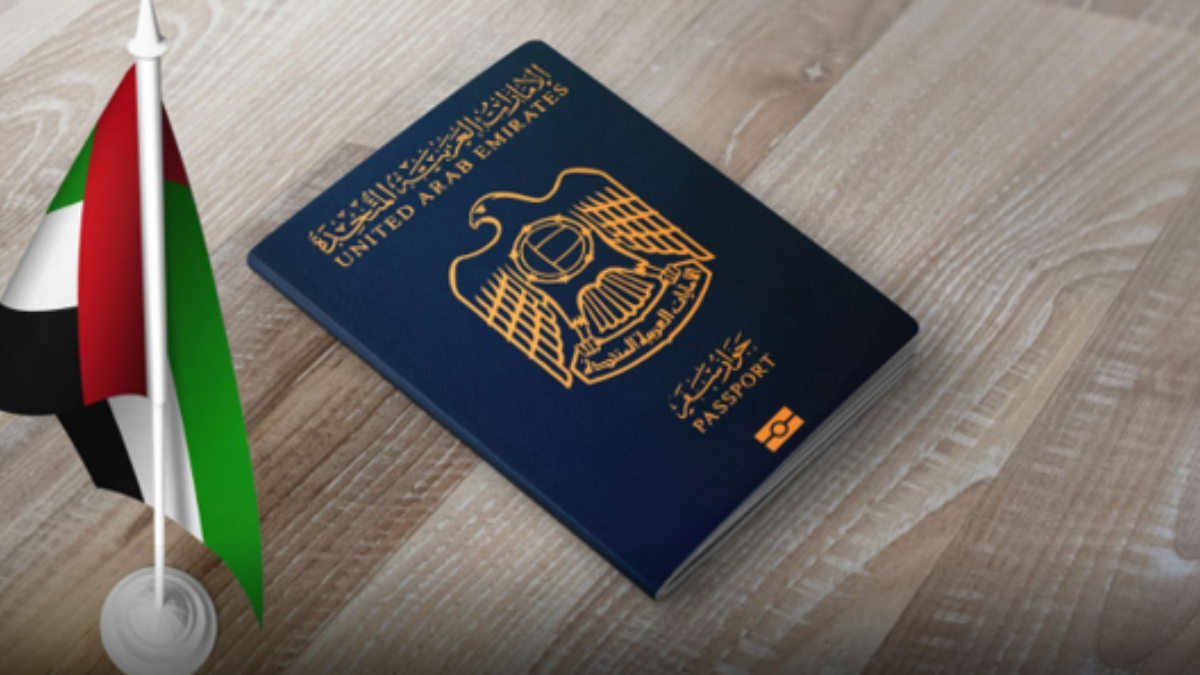

Job transfers in the UAE involve relocating employees from one emirate to another or moving them internationally within the same company. Companies often request transfers to fill high-demand roles, expand operations, or provide employees with varied experience. This practice has grown significantly as businesses seek flexible talent distribution across Dubai, Abu Dhabi, Sharjah, and beyond. Many professionals accept these moves to enhance career development, acquire new skills, and access better opportunities.
Job transfers affect long-term living plans, affecting housing, schooling, social networks, and financial strategies. Families and individuals must evaluate relocation carefully to maintain stability. Above all, planning ahead reduces disruption and ensures that career growth aligns with lifestyle and residential decisions.
Housing Considerations After a Job Transfer
Relocating for a job transfer often requires evaluating housing options carefully. Renting provides flexibility for short-term assignments, whereas buying may benefit those planning to stay longer. Rental and purchase prices vary significantly across Dubai, Abu Dhabi, and Sharjah, with Dubai generally at the higher end. Moving costs, including transportation, utilities setup, and furnishing, can influence housing decisions. Lease terms and contract conditions differ between emirates, affecting notice periods and deposit requirements. Similarly, proximity to public transport, schools, and shopping centers shapes daily convenience. Communities favored by expats may offer more international facilities, while local neighborhoods provide traditional experiences and lower costs. Balancing personal preferences with financial considerations ensures that housing choices complement long-term living plans after a job transfer in the UAE.

Education and Family Planning Impacts
Relocating for a job transfer often changes family routines and school arrangements. Parents must consider curriculum differences across Dubai, Abu Dhabi, and Sharjah. Another key point is that the availability of international schools can affect children’s education continuity. Families may also need to adjust commuting times and after-school activities. School fees vary by emirate, influencing household budgets.
Housing location near quality schools often becomes a priority. Parents should research admission policies and registration deadlines before moving. Social support networks may also shift, affecting children’s friendships and adjustment. Careful planning ensures the family maintains stability while adapting to a new community. Thoughtful coordination between housing and schooling decisions reduces stress.
Job Transfers Affect Long-Term Living Plans: Legal and Logistical Factors
Employees moving between emirates deal with visas, permits, and labor rules. To avoid complications, they review work contracts and company policies early. Health insurance and access to medical facilities also differ by emirate and may affect family plans. Lease terms, vehicle registration rules, and utility contracts vary between Dubai, Abu Dhabi, and Sharjah and often shape relocation timing. Many workers check trusted resources before starting their move. You can rely on GI Movers UAE for practical tips on packing, moving logistics, and coordinating transport.
HR teams and legal advisors help people stay compliant and avoid delays or penalties. Careful planning of legal and logistical steps supports easier adjustment to the new city. Coordinating those steps with housing, schools, and household budgets helps families settle with more confidence.
Financial Adjustments and Budgeting

Job transfers directly impact household finances. Salary structures often differ between emirates, and allowances for housing, transport, or relocation may change. On the other hand, living costs in Dubai typically exceed those in Sharjah or Ajman, requiring adjustments in daily spending. Families must account for moving costs, including shipping, temporary accommodation, and utility setup.
Financial planning should include emergency savings for unexpected expenses. Maintaining a flexible budget helps manage variations in rent, transportation, and school fees. Currency fluctuations and banking options may also affect expatriates. Planning finances carefully ensures the move does not disrupt long-term living plans. Professionals who integrate income, expenses, and relocation costs can make confident decisions.
Lifestyle and Social Integration Challenges

Job transfers affect long-term living plans by influencing social connections for families and professionals in the UAE. Some neighborhoods cater to expats with international facilities, while others reflect local traditions. Access to gyms, malls, and leisure centers can influence daily routines. Cultural differences may require adjustments in social behavior, celebrations, and communication styles.
Building new professional and social networks can take time. In contrast, some individuals find opportunities to connect with colleagues and neighbors quickly, which supports integration. Relocation also offers exposure to different culinary, recreational, and community experiences. Considering proximity to amenities, social circles, and the workplace reduces stress. Thoughtful choices about housing and community help families and professionals maintain a balanced lifestyle while adapting to life after a job transfer.
Career Growth and Opportunities
Moving for work can accelerate professional development in several ways. Exposure to new responsibilities and departments often builds valuable skills. Transfers may open leadership opportunities that remain unavailable at the current location. Employees can expand their network across the Emirates, gaining access to key decision-makers.
Then again, some transfers may increase commuting time or require adjustments to work-life balance. Employees should evaluate potential promotions, skill acquisition, and long-term career trajectory before agreeing to a transfer. Companies in Dubai, Abu Dhabi, and Sharjah frequently encourage internal mobility to retain top talent. That’s why more than 7 million foreign workers are employed in the UAE, comprising over 90% of the private sector labor force. Considering career advancement alongside housing, education, and social factors ensures that long-term living plans align with professional growth after a UAE job transfer.
Tips for Smooth Relocation and Planning Ahead
Careful preparation reduces stress during a job transfer. Create a checklist covering housing, schools, transport, and finances. Research community preferences for expats or locals to ensure a good fit. Organize moving services, utility setups, and local registrations in advance. In short, preparing emergency funds and flexible plans helps tackle unexpected challenges. Communicate with family members and colleagues to align expectations and schedules.
Evaluate the cost of living and amenities in the new emirate to prevent surprises. Keeping important documents, medical records, and contracts organized simplifies the relocation process. Strategic planning ensures that career moves positively influence long-term living plans while maintaining family stability and comfort.
Planning for Stability After Job Transfers
Job transfers affect long-term living plans by influencing housing, schooling, finances, and social life in the UAE. Careful planning ensures stability for families and professionals. With this in mind, evaluating career opportunities alongside lifestyle needs helps make informed relocation decisions that support both professional growth and personal well-being