Car dashboard alerts help drivers understand what their car needs. These alerts act as early warnings and help prevent sudden breakdowns. Knowing what they mean makes driving safer and less stressful.
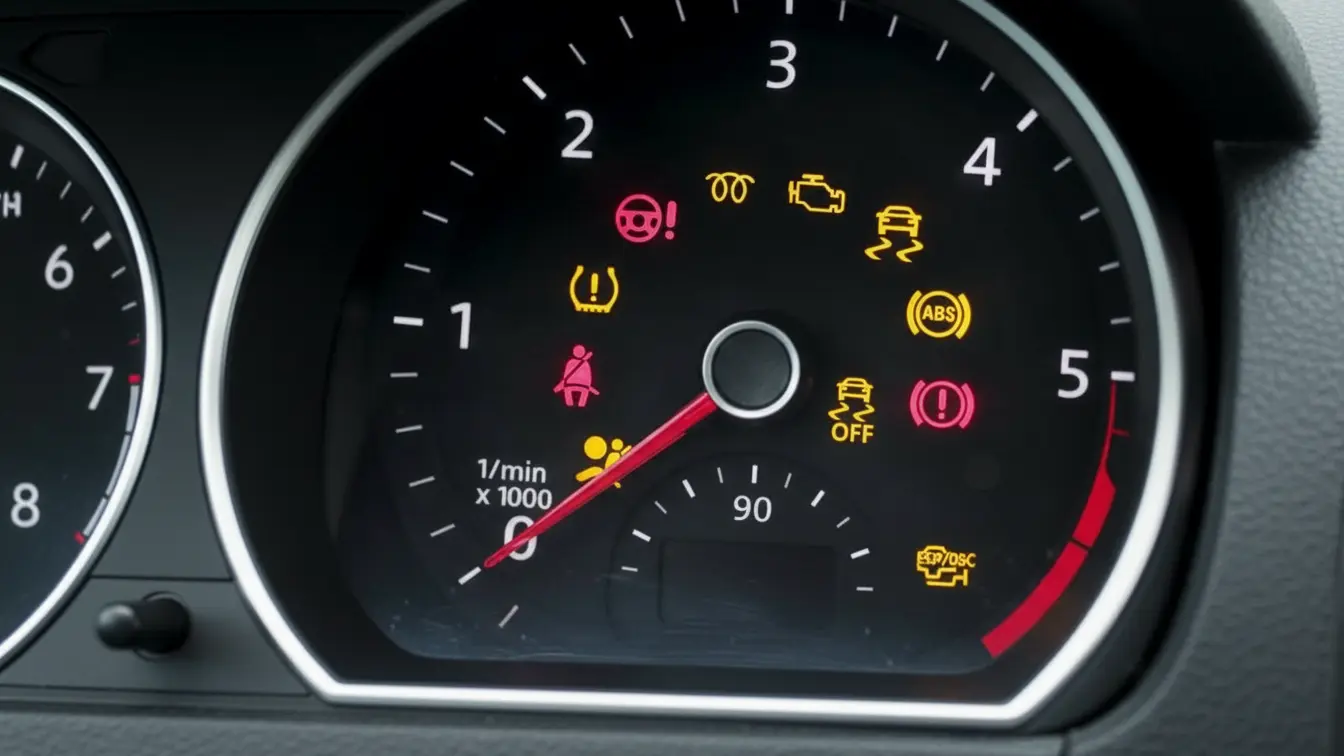
Reading car dashboard alerts means learning the warning lights, colors, and symbols shown on the dashboard. These lights tell you about engine issues, oil pressure, brakes, tire pressure, and temperature problems.
Some alerts need quick action, while others are simple notices. Understanding them helps you react correctly and protect your car.
Reading Car Dashboard Alerts: What Beginners Should Know
Reading car dashboard alerts becomes easy when you understand the basics. Every car has dashboard lights that turn on when a system needs attention. These lights are designed to guide drivers, not confuse them. Paying attention early can save time and money.
The color of the light is very important. Red lights mean danger and need fast action. Yellow or orange lights mean caution and should be checked soon. Green or blue lights are only information. Learning these basics helps beginners drive with more confidence and control.
Color Code: Your First Step
- Red: Serious, potentially dangerous problem. Stop driving when safe and address immediately (e.g., low oil pressure, overheating).
- Yellow/Orange: A warning that needs attention soon. Drive cautiously to a service center (e.g., low fuel, tire pressure, Check Engine Light).
- Green/Blue: Informational. A system is on or working (e.g., headlights, turn signals, Eco Mode).
Most Common Dashboard Lights Alerts
Here’s the list of the most common dashboard lights:
1. Engine Warning Light (Check Engine Light)
The engine warning light looks like a small engine shape. This light means there may be an issue with the engine or emissions system. It can appear because of sensor problems, fuel issues, or loose parts.
Even if the car feels normal, the issue should not be ignored. If the light stays on, get the engine checked soon to avoid larger problems later.
2. Oil Pressure Warning Light
The oil pressure warning light looks like an oil can and usually appears in red. This light means low oil pressure or low oil level. Oil keeps engine parts moving smoothly and prevents heat damage.
When this light turns on, stop driving as soon as it is safe. Check the oil level if possible. Do not restart the engine if the oil is low. Ignoring this warning can cause serious engine damage.
3. Battery Warning Light
The battery warning light shows a battery-shaped symbol in red. This light means the charging system may not be working properly. The battery may stop charging while the car is running.
If this light appears, turn off extra electrical items. Get the battery and charging system checked soon. Ignoring it may cause the car to stop suddenly.
4. Brake System Warning Light
The brake warning light may show a circle with lines or the word “BRAKE.” This light can mean low brake fluid, worn brake pads, or that the parking brake is still on.
First, check if the parking brake is fully released. If the light stays on, drive slowly and have the brake system inspected. Good brakes are critical for safety.
5. Tire Pressure Warning Light (TPMS)
The tire pressure warning light looks like a tire shape with an exclamation mark. This yellow light means one or more tires have low air pressure. Low pressure affects steering and braking.
Check all tires and inflate them to the recommended level. Driving with low pressure can damage tires and reduce road control.
6. Engine Temperature Warning Light
The temperature warning light looks like a thermometer over waves and appears in red. This light means the engine is overheating.
Pull over safely and turn off the engine. Let it cool before checking coolant levels. Do not open the radiator when hot. Continued driving can cause engine failure.
What to Do When a Dashboard Alert Appears?
When a dashboard alert appears, stay calm. Check the color and symbol first. If the car feels unsafe, slow down and stop in a safe place. Red lights need immediate attention, while yellow lights allow for short driving.
Do not delay repairs. Small issues can grow into major damage. If you are unsure, visiting a trusted garage is the best choice. Many drivers rely on car service in Abu Dhabi to diagnose dashboard alerts correctly and fix them on time.
Why Dashboard Alerts Matter for Car Safety?
Dashboard alerts play a big role in car safety. They warn drivers before systems fail completely. These alerts help prevent accidents, engine damage, and sudden stops on the road.
Modern cars use sensors to track engine heat, oil pressure, brakes, and tires. When something goes wrong, the dashboard sends a clear signal. Paying attention to these alerts helps keep the car reliable and safe for daily driving.
Simple Tips to Understand Dashboard Alerts Better
Start by reading your car manual once. It explains dashboard symbols clearly with images. Watching the dashboard during car startup also helps, as lights briefly turn on for testing.
If a light stays on after starting, it needs attention. Never cover warning lights or ignore them. Learning these signs builds confidence and helps drivers make smart decisions on the road.
Conclusion
Reading car dashboard alerts helps drivers stay safe and avoid stress. These alerts act as early warnings that protect the car from serious damage. Understanding symbols and colors makes driving easier.
By learning common dashboard lights and responding quickly, beginners can avoid costly repairs. Always respect warning lights and seek help when needed. With basic knowledge and care, reading car dashboard alerts becomes a simple and valuable driving skill.