
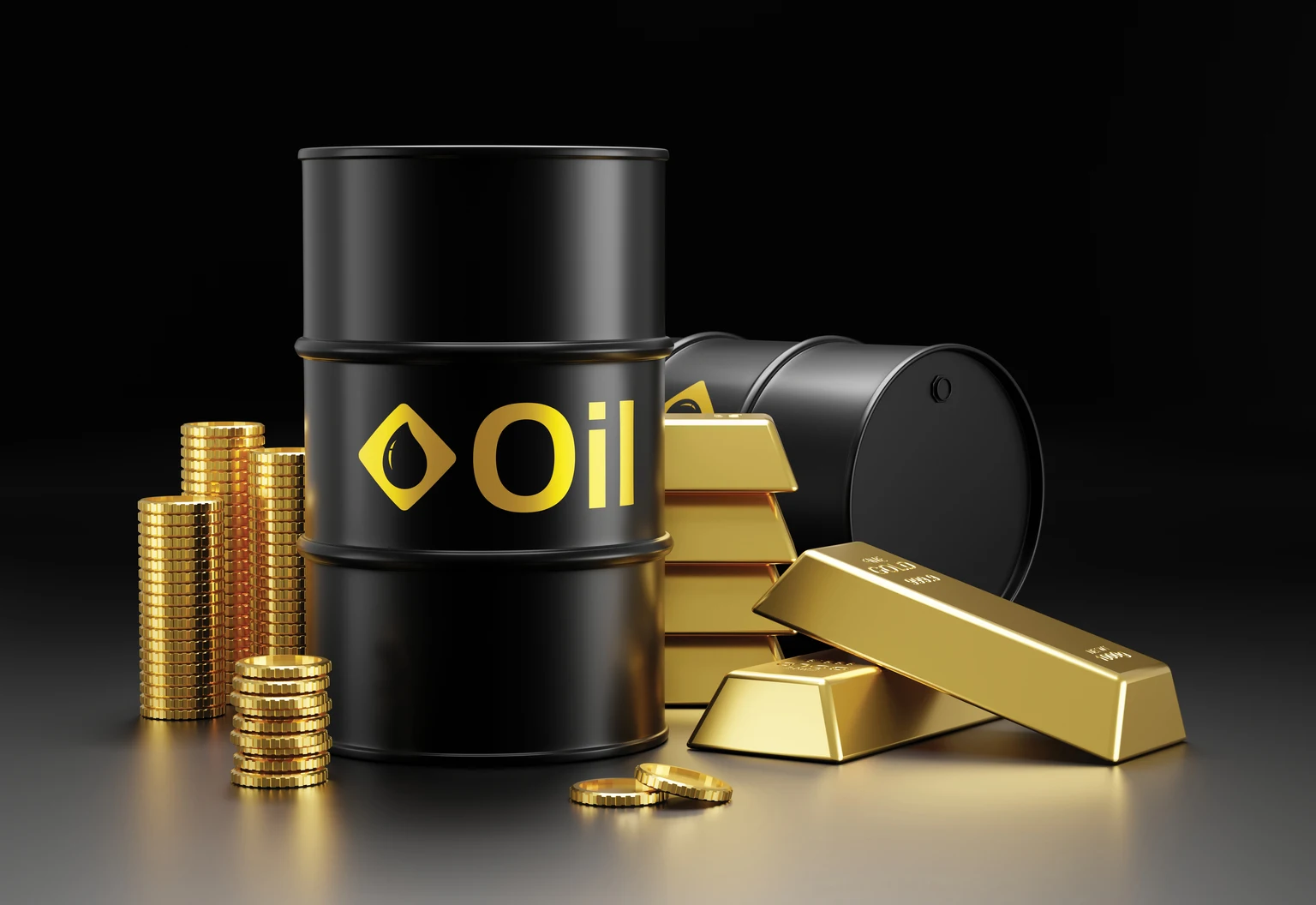
Commodity trading has been a fundamental part of global financial markets for centuries. From agricultural products to precious metals, commodities play a crucial role in shaping economies. Among all commodities, gold trading stands out as one of the most popular and widely followed investment options, especially during times of economic uncertainty.
What is Commodity Trading?
Commodity trading involves buying and selling raw materials such as gold, silver, oil, and agricultural products in financial markets. These commodities are traded through various instruments, including futures contracts, CFDs, and exchange-traded products.
When you participate in commodity trading, you are essentially speculating on the price movements of these assets rather than physically owning them. Prices are influenced by global demand, supply conditions, geopolitical events, and economic indicators.
Understanding Gold Trading
Gold has always been considered a valuable asset and a symbol of wealth. In modern financial markets, gold trading allows traders and investors to benefit from price fluctuations without needing to store physical gold.
Gold can be traded in several ways:
- Spot trading – Buying or selling gold at current market prices
- Futures contracts – Agreements to buy or sell gold at a future date
- CFDs – Speculating on gold price movements without owning the asset
- ETPs/ETFs – Investing in funds that track gold prices
Each method has its own advantages, but CFDs and ETFs are often preferred by beginners due to their ease of access.
How Gold Prices Are Determined
Gold prices are influenced by multiple global factors. Understanding these can help traders make better decisions:
- Inflation and Economic Uncertainty
Gold is often seen as a hedge against inflation. When inflation rises or economies become unstable, demand for gold increases. - Currency Strength (Especially USD)
Gold prices generally move inversely to the US dollar. A weaker dollar often leads to higher gold prices. - Geopolitical Events
Political instability, wars, and global tensions increase demand for safe-haven assets like gold. - Supply and Demand
Mining production and central bank reserves also impact gold prices.
Why Gold Trading Matters
Gold trading is not just about profit—it plays a strategic role in portfolio diversification and risk management. Investors often include gold in their portfolios to balance risks associated with stocks and other volatile assets.
Here’s why gold trading is important:
- Acts as a safe-haven asset during market volatility
- Helps diversify investment portfolios
- Provides opportunities for both short-term trading and long-term investment
- Offers liquidity and global acceptance
For beginners, combining gold trading with other strategies like CFDs can create multiple opportunities in different market conditions.
Tips for Beginners in Commodity and Gold Trading
If you are new to trading, here are some essential tips to get started:
- Start with a basic understanding of how commodity markets work
- Use a reliable trading platform with analytical tools
- Begin with small investments to manage risk
- Stay updated with global economic news
- Practice using demo accounts before live trading
Consistency and discipline are key to long-term success in commodity markets.
Conclusion
Commodity trading offers a wide range of opportunities, and gold trading remains one of the most reliable and widely used investment options. Its ability to act as a hedge against inflation and economic uncertainty makes it highly valuable for both beginners and experienced traders. By understanding how gold prices work and using the right strategies, traders can make informed decisions and build a more balanced investment portfolio.
FAQs
- What is commodity trading in simple terms?
Commodity trading involves buying and selling raw materials like gold, oil, and agricultural products to profit from price changes. - Why is gold considered a safe-haven asset?
Gold retains its value during economic uncertainty, making it a preferred choice during market volatility. - How can beginners start gold trading?
Beginners can start through CFDs, ETFs, or online trading platforms with small investments and demo accounts. - What factors affect gold prices?
Gold prices are influenced by inflation, currency strength, geopolitical events, and supply-demand dynamics. - Is gold trading profitable?
Yes, but profitability depends on market understanding, strategy, and risk management. - What is the best way to trade gold?
CFDs and ETFs are considered beginner-friendly options due to their accessibility and flexibility. - Can I trade gold online?
Yes, gold can be traded online through various platforms offering access to global commodity markets.