There’s a moment, somewhere past Hatta, where the UAE’s polished skyline disappears in your rearview mirror and the Hajar Mountains take over. The road narrows slightly, the air changes, and you realize you’re no longer just traveling — you’re transitioning between two completely different worlds.
That moment is why road travel between Dubai and Muscat has a loyal following that no airline route will ever fully replace.
Two Cities, One Road, Zero Compromise
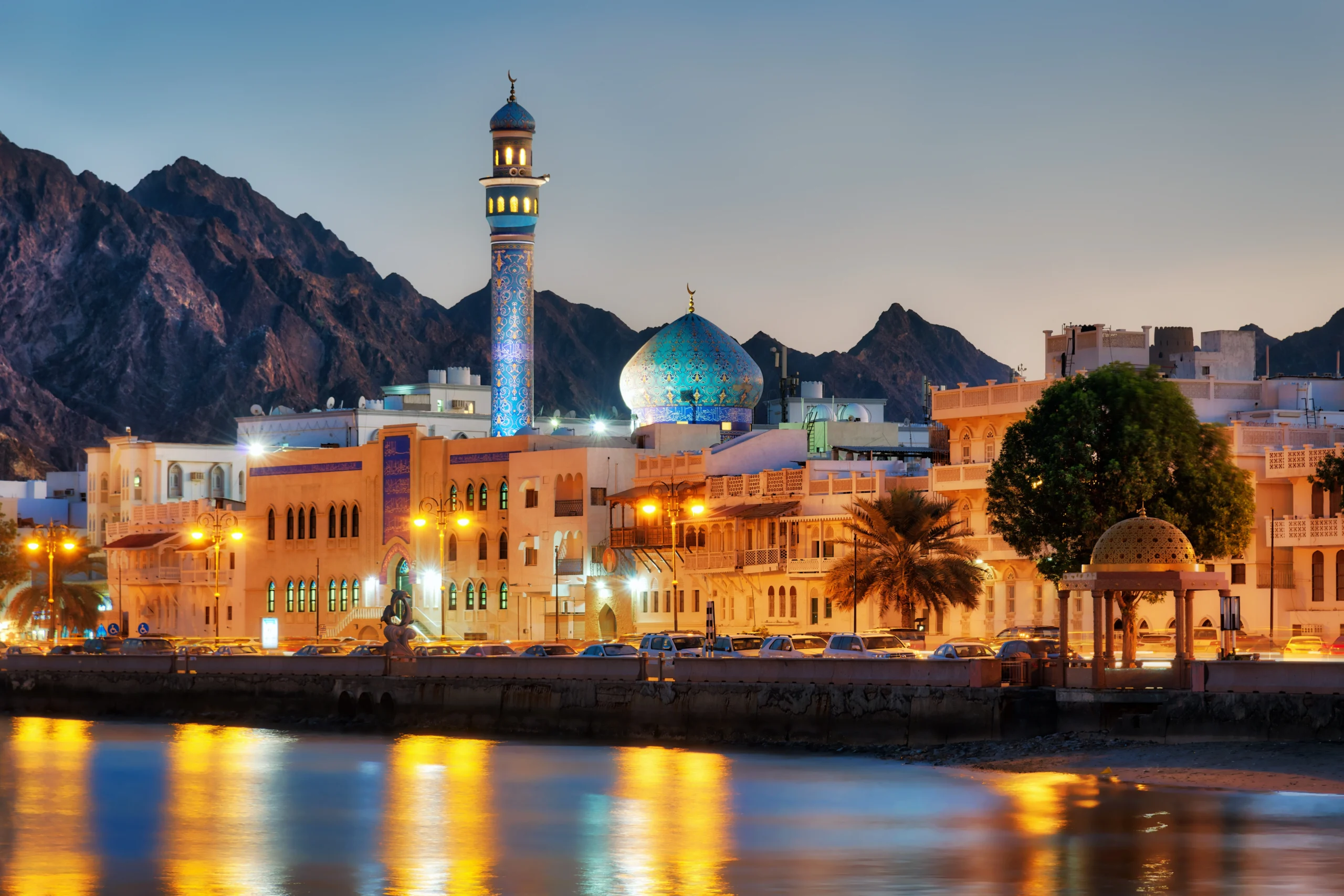
Dubai operates at a frequency few cities can match. It’s fast, loud, and deliberately impressive. Muscat does the opposite — it earns your admiration quietly, through the geometry of its mosques, the scale of its mountains, and a coastline that feels like it belongs to another era entirely.
The 400-kilometer road between them is one of the Gulf’s most underrated drives. Done properly — meaning in a comfortable vehicle with a driver who knows the route — it’s not a transit experience. It’s the opening chapter of an Omani trip.
What “Done Properly” Actually Means
The difference between a good transfer and a frustrating one comes down to specifics most travelers don’t think about until something goes wrong.
The right vehicle matters more than people expect. Five hours on the road in a clean, spacious, well-maintained car is a completely different experience from five hours crammed into a seat that wasn’t designed for long distances. Private transfers use vehicles selected for exactly this kind of journey.
Border crossings reward experience. The Hatta–Al Wajajah crossing is the main entry point into Oman. It’s manageable — but only if you know which lane to use, what documents to have ready, and how the process flows on both sides. A driver who has crossed dozens or hundreds of times moves through this efficiently. A first-timer can add an hour to the journey through no fault of their own.
Timing is everything. Early morning crossings are typically smoother. Weekend traffic patterns differ from weekdays. A professional Dubai to Oman taxi service understands these rhythms and builds them into your pickup time — so you’re not stuck in a queue that could have been avoided entirely.
The Route Worth Paying Attention To
Most passengers spend the Dubai stretch on their phones. That’s fine — it’s motorway driving. But once you pass Hatta and enter Omani territory, it’s worth looking up.
The road from Al Wajajah through Al Buraimi opens into wide, flat desert — the kind that makes you understand why the region’s early travelers navigated by stars. Then, as you approach Muscat, the geography tightens again. The Hajar range closes in from both sides, the road climbs and descends through mountain passes, and eventually the city reveals itself: white buildings against dark rock, minarets catching the late afternoon light, the Gulf of Oman appearing on the horizon.
It’s a genuinely beautiful approach to a city. A window seat earns its keep on this stretch.
Once You’re in Muscat: The Case for a Dedicated Driver
Muscat doesn’t reward improvisation when it comes to getting around. The city is geographically dispersed — Muttrah, Ruwi, Qurum, Al Khuwair, Madinat Al Sultan Qaboos, and the airport are all significant distances from each other. Ride-hailing exists but isn’t uniformly reliable, particularly for early morning pickups or trips to less central areas.
Travelers who’ve been to Muscat more than once tend to arrive at the same conclusion: a car with driver Muscat arrangement, whether for a single day or the duration of a stay, removes the one friction point that can quietly ruin an otherwise well-planned trip.
You confirm your schedule once. Your driver handles the rest — hotel pickup, meeting drops, airport return, and everything in between. No waiting, no surge pricing surprises, no communication gaps with a driver who doesn’t know your destination.
For business travelers especially, this isn’t a luxury. It’s the baseline that makes everything else work.
What to Confirm Before You Book
Regardless of which service you use, these are the questions worth asking before you commit:
Is the vehicle dedicated to your group? Shared taxis exist on this route. They’re cheaper and considerably less comfortable. Confirm you’re booking a private transfer.
Is the driver experienced on the Dubai–Muscat route specifically? Local city drivers and long-distance cross-border drivers are not the same thing. The border crossing alone requires familiarity that general drivers may not have.
What’s the protocol if your plans change? Flights get delayed. Meetings run long. A professional service has a clear answer to this question.
Is there a direct contact number? Not an app, not a chatbot — an actual number you can call. This matters when you’re standing at a border crossing at 11pm and something isn’t going as planned.
Book Your Transfer
For Dubai to Muscat transfers and car with driver services across Oman, contact us directly:
📞 +968 94681176
Or visit omantour to learn more about available routes and services.
The Honest Summary
The Dubai–Muscat road trip is one of those journeys that people underestimate until they’ve done it once. The route is beautiful, the border crossing is manageable with the right help, and arriving in Muscat by road gives you a sense of the country’s geography that no flight ever could.
The only variable worth controlling is who’s driving — and how well they know the route.
Everything else takes care of itself.
Inquiries and bookings: +968 94681176