It is essential to take care of the eyes. This ensures that you have a clear and perfect vision. You need to keep your eyes clean and hydrated. Regular eye checks are another way to ensure that eye health is maintained. With a proper eye care routine, you can easily get to know if there are any vision issues or diseases that are troubling the eyes.
A regular eye test is an important aspect of maintaining the well-being of the eyes. An eye test involves an extensive checkup of the eyes so that any problems in vision, as well as any eye diseases, can be easily detected. This further helps to go for the right treatment for the eye.
Need for Eye Test
An eye test is a preventive measure that can help you maintain good eye health. Here are the reasons why eye tests are needed:
- Eye tests help to detect eye conditions in their early stages, when they do not cause much damage to the eyes and can be easily treated
- Eye tests help in vision correction for people with vision issues. So, the eye checkup can help get the right glasses prescribed that ensure clear vision.
- Eye tests also help to reveal underlying health conditions that may not be directly related to the eyes
Types of Eye Tests
There are several types of eye tests. These include:
- The visual acuity test helps to detect problems in vision. In this test, a patient reads from a chart placed at a distance, and the clarity with which the patient reads helps to detect issues like near-sightedness or farsightedness.
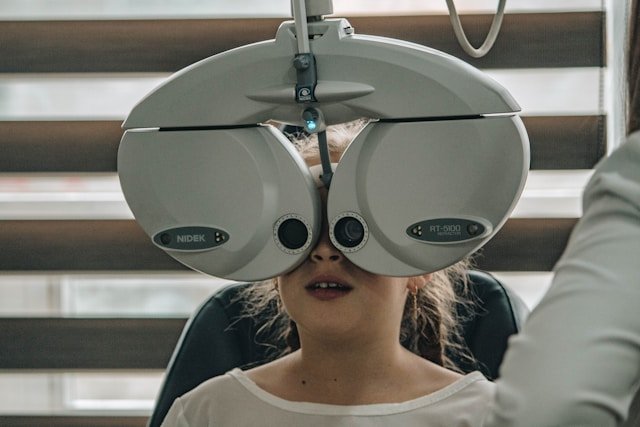
- The refraction test is the one that helps the ophthalmologist decide the right glasses or contact lenses to be prescribed. In these tests, different lenses are assessed to identify the one that provides the clearest vision.
- A visual field test is an assessment of the peripheral vision of a person. With these tests, it is easy to identify problems like glaucoma.
- Pupil test is the one where the ophthalmologist checks the pupil size in response to changes in light. These tests help to identify neurological conditions.
- The cornea, iris, and lens are tested during a slit-lamp test. The test of these eye parts helps in determining problems like cataract and macular degeneration.
- Color vision tests help to identify color blindness and take corrective action
- Retinoscopy is a test of the retina, where the amount of refractive error is identified
- Tonometry is a test that helps to evaluate the pressure of the eyes. This test also helps to uncover glaucoma in an individual.
- Dilated Fundus is a test for the back of the eye and a thorough examination of the retina to determine if an individual has problems like diabetic retinopathy
When to Get an Eye Test
An eye test is required on a regular basis. Children should get their eyes tested before beginning school and then every two years. For adults, it is best to get eyes tested at least once every two years. For people aged over 60 who have different health issues, an eye test may be needed, often depending on the overall health.
To Sum It Up
An eye test is important for having good vision. In addition to getting eyes tested regularly, take care of your eyes by giving them enough rest, providing them with UV protection, eating a balanced diet and following the prescribed eye-related medicines and lenses if need be.